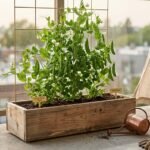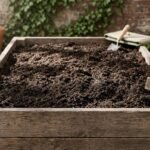
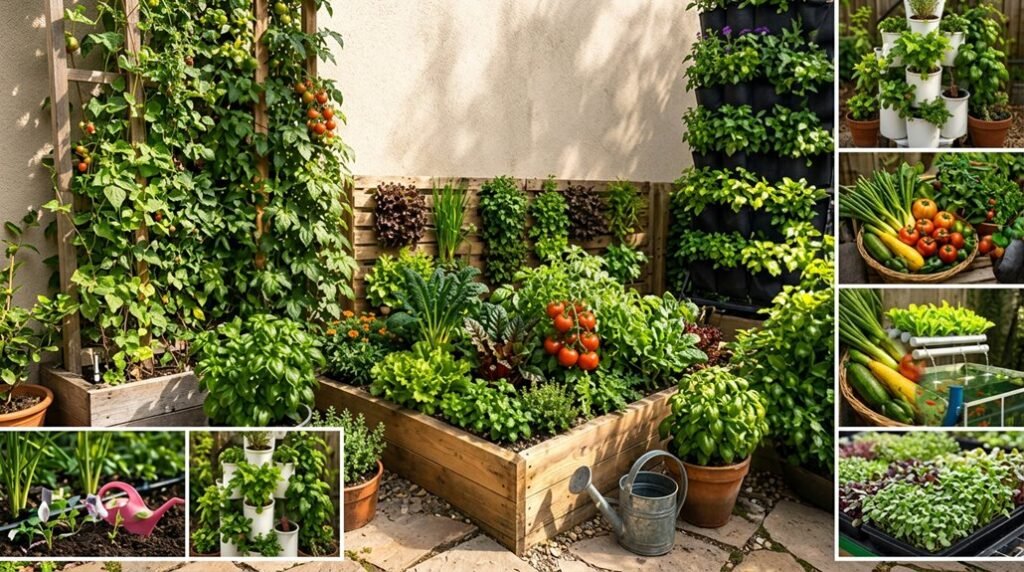
Your cramped balcony and a thriving harvest might seem like strange bedfellows, but raised beds bridge that gap beautifully. You’re looking at 2027’s smartest picks: tomatoes, bush beans, trellised cucumbers, peppers, and quick-turn greens like spinach, lettuce, and radishes. Add carrots, peas, and basil to round out your rotation. These ten winners exploit warm, well-drained soil and compact spacing.
But here’s the real kicker: the order you plant them, and who you pair them with, changes everything.
| The Complete Beginner’s Guide to Raised Bed Gardening | Best For Small Spaces | Product Category: Instructional book (eBook) | Target User: Beginners | Core Purpose: Raised bed gardening guidance | VIEW LATEST PRICE | Read My Analysis | |
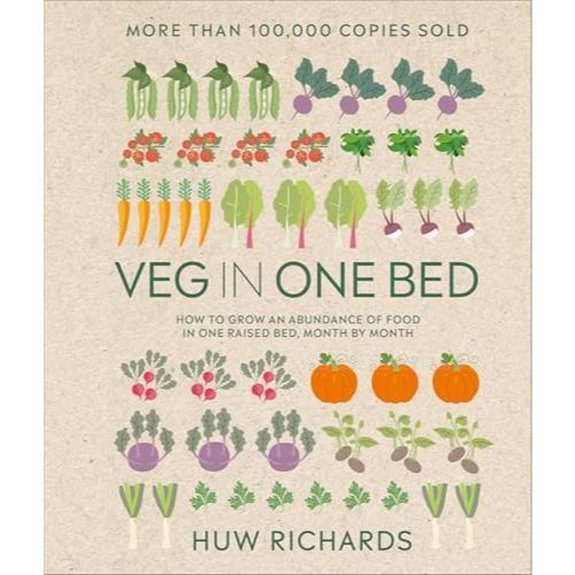
| Veg in One Bed: Grow Food Month by Month | Best Month-by-Month Guide | Product Category: Instructional book (hardcover) | Target User: Home/urban gardeners | Core Purpose: Month-by-month raised bed growing | VIEW LATEST PRICE | Read My Analysis | |
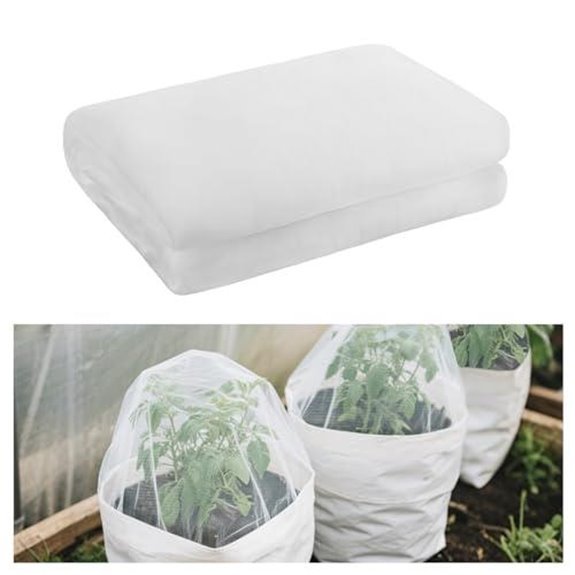
| Alphatool 4x10ft Garden Netting Ultra Fine Mesh Plant Covers | Best Plant Protection | Product Category: Protective netting/accessory | Target User: Gardeners needing pest protection | Core Purpose: Plant protection from pests | VIEW LATEST PRICE | Read My Analysis | |
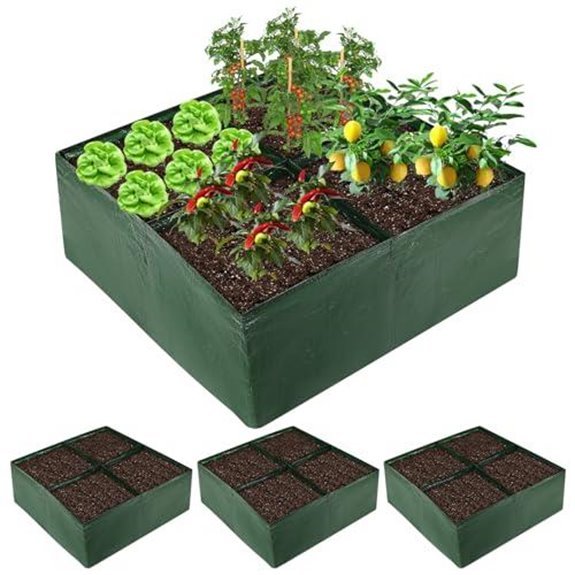
| BIJOKETTEN 3 Pack Plastic Raised Garden Bed | Best Raised Bed Kit | Product Category: Raised bed container | Target User: Gardeners needing containers | Core Purpose: Raised bed planting container | VIEW LATEST PRICE | Read My Analysis | |
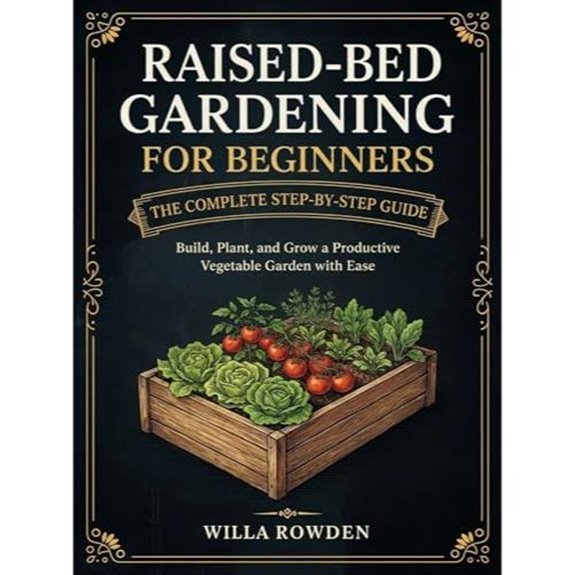
| Raised-Bed Gardening for Beginners | Best Step-by-Step Guide | Product Category: Instructional book (eBook) | Target User: Beginners | Core Purpose: Raised bed gardening guidance | VIEW LATEST PRICE | Read My Analysis | |
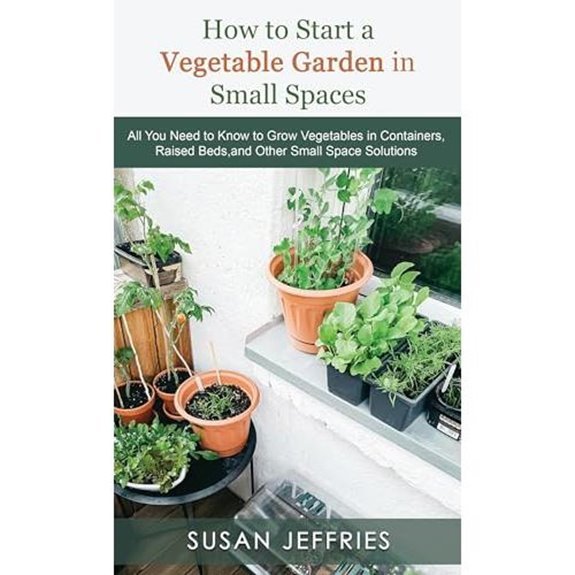
| How to Start a Vegetable Garden for Small Spaces | Best Container Solutions | Product Category: Instructional book (eBook) | Target User: Beginners to intermediate | Core Purpose: Small space vegetable gardening | VIEW LATEST PRICE | Read My Analysis | |
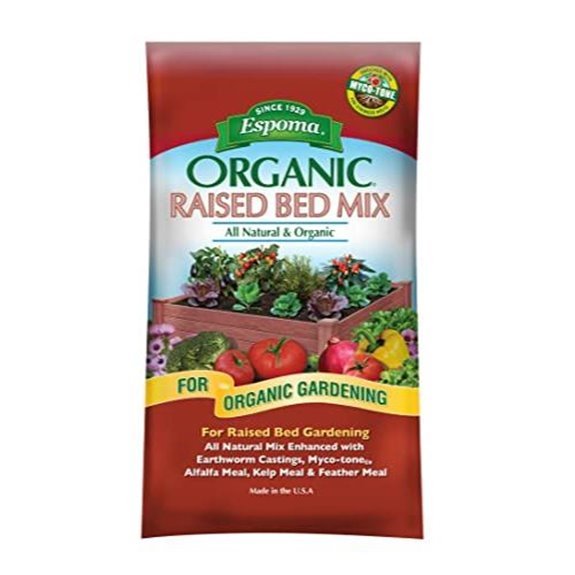
| Espoma Organic Raised Bed Potting Soil Mix | Best Organic Soil | Product Category: Soil/potting mix | Target User: Organic gardeners | Core Purpose: Soil for raised beds | VIEW LATEST PRICE | Read My Analysis | |
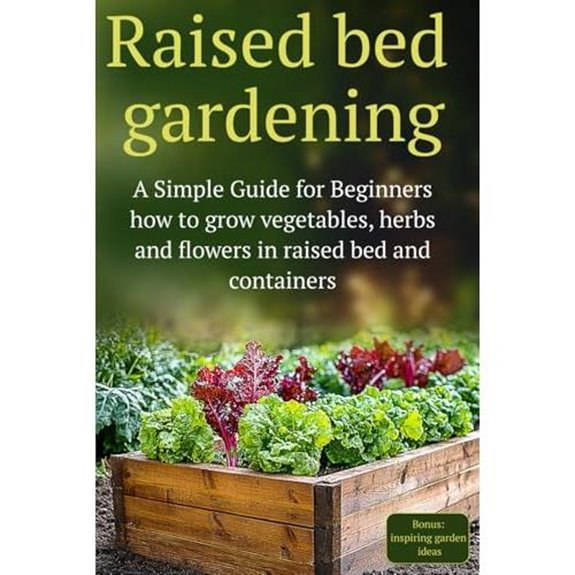
| Raised Bed Gardening Guide for Beginners | Best Quick Start Guide | Product Category: Instructional book (paperback) | Target User: Beginners | Core Purpose: Raised bed gardening guidance | VIEW LATEST PRICE | Read My Analysis | |
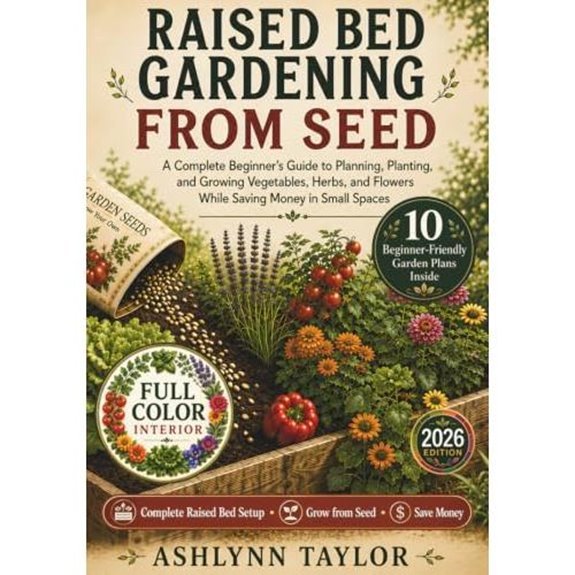
| Raised Bed Gardening from Seed: Complete Beginner’s Guide | Best Seed-Starting Focus | Product Category: Instructional book (paperback) | Target User: Beginners | Core Purpose: Seed-based raised bed growing | VIEW LATEST PRICE | Read My Analysis | |
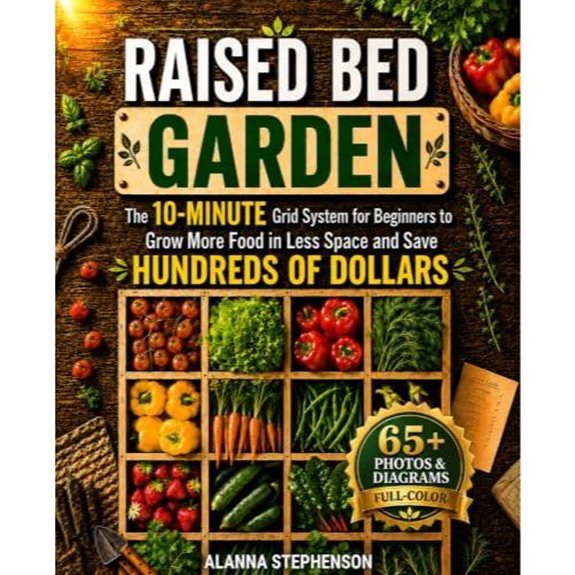
| Raised Bed Garden: 10-Minute Grid System for Beginners | Best Grid System | Product Category: Instructional book (eBook) | Target User: Beginners | Core Purpose: Grid system raised bed method | VIEW LATEST PRICE | Read My Analysis |
More Details on Our Top Picks
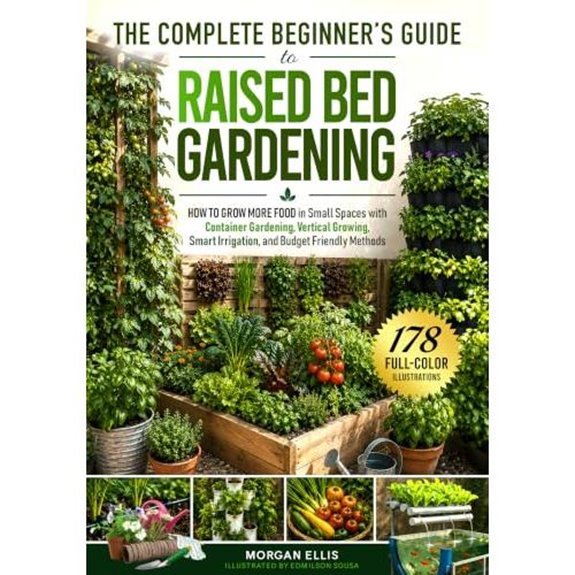
The Complete Beginner’s Guide to Raised Bed Gardening
Why start with raised beds? You’re looking at better drainage, warmer soil, and fewer weeds from day one. And you don’t need a sprawling backyard to make it work.
“The Complete Beginner’s Guide to Raised Bed Gardening” (A-Z Enterprises Publishing, 2026) shows you exactly how to maximize every square foot. At 262 pages, this Kindle eBook covers container sizing, soil composition, and plant selection with step-by-step precision.
You’ll learn vertical growing through trellises and stacked systems, plus smart irrigation that actually fits your schedule.
Published July 14, 2026, it’s built for beginners who want actionable strategies, not vague inspiration. Grow more food in less space. You’ve got this!
- Product Category:Instructional book (eBook)
- Target User:Beginners
- Core Purpose:Raised bed gardening guidance
- Space Focus:Small spaces
- Format/Delivery:Digital (Kindle, 262 pages)
- Content/Application Scope:Setup, irrigation, vertical growing, budgeting
- Additional Feature:Smart irrigation strategies
- Additional Feature:Budget-friendly methods
- Additional Feature:Vertical growing designs
Veg in One Bed: Grow Food Month by Month
The book’s real genius lies in its succession-planting choreography. You follow DK’s 2023 second edition through 240 multicolor pages, and suddenly you’re squeezing three, sometimes four crops from one 4×8 space in a single season.
Here’s how it breaks down month by month:
- March: You prep soil, sow hardy greens like spinach and kale
- May: You swap spring crops for summer tomatoes and peppers
- July: You sneak in fast-growing bush beans where early lettuce stood
- September: You plant garlic and overwintering onions
The stepwise structure doesn’t overwhelm you. Each page layers observations: plant selection, bed prep, care, harvest.
And because it’s built for urban or small-space settings, you don’t need a sprawling backyard to pull this off.
That hardcover binding holds up against damp gloves and morning dew. At 240 pages, it’s substantial without being bloated. You get specific timing, measurements, and zero fluff.
For 2027 raised bed planning, you’ll reference this constantly. The month-by-month rhythm trains your eye to spot gaps, opportunities, and the next crop waiting its turn.
- Product Category:Instructional book (hardcover)
- Target User:Home/urban gardeners
- Core Purpose:Month-by-month raised bed growing
- Space Focus:Single raised bed
- Format/Delivery:Physical (hardcover, 240 pages)
- Content/Application Scope:Month-by-month planting, succession, harvest
- Additional Feature:Month-by-month guidance
- Additional Feature:Succession planting focus
- Additional Feature:Seasonally organized structure
Alphatool 4x10ft Garden Netting Ultra Fine Mesh Plant Covers
Got a raised bed full of tender seedlings that every bird in the neighborhood seems to have bookmarked? You need a physical barrier, not crossed fingers.
The Alphatool 4x10ft Garden Netting, Ultra Fine Mesh Plant Covers gives you exactly that: a 4 by 10 foot shield of high-quality PE mesh that stops birds, blocks animals, and still lets your plants breathe.
Here’s what makes this netting worth your time:
- The ultra-fine reticulation keeps even small pests out while water and sunlight pass straight through
- You can see through it to check growth without lifting the cover
- Cut it to whatever size your raised bed, greenhouse hoop, or patio setup demands
And here’s the practical stuff: one pack covers plenty of ground, but remember, poles aren’t included, so grab some garden hoops or fashion your own supports.
The mesh won’t hinder photosynthesis, meaning your tomatoes and peppers keep thriving under protection. With decent care, you’ll reuse this white netting season after season.
Check those size specs before you buy, though!
- Product Category:Protective netting/accessory
- Target User:Gardeners needing pest protection
- Core Purpose:Plant protection from pests
- Space Focus:Raised beds/greenhouses
- Format/Delivery:Physical (4x10ft netting)
- Content/Application Scope:Pest/bird barrier, light/water permeable
- Additional Feature:Ultra fine mesh
- Additional Feature:Adjustable cut-to-size
- Additional Feature:High permeability design
BIJOKETTEN 3 Pack Plastic Raised Garden Bed
Looking for a raised bed solution that won’t crack under pressure? The BIJOKETTEN 3 Pack Plastic Raised Garden Bed delivers durability you can count on season after season.
These rectangle planters use high-quality PE material, so you’ll get flexibility plus toughness against whatever weather throws your way. Each bag measures 2x2x0.82 feet and holds roughly 23.7 gallons, giving you serious growing room without the permanent commitment of wood or metal.
Here’s what makes these stand out:
- Smart drainage: Bottom holes keep roots breathing and stop that dreaded root rot before it starts
- 4-Grid design: Built-in divisions prevent root circling and let you organize multiple varieties in one container, tomatoes here, basil there, no tangled mess
- Collapsible storage: When frost hits, you’ll fold these flat and tuck them away, unlike bulky rigid beds
You receive three green planting bags per set, perfect for uniform vegetable rows, patio herb collections, or flower displays. And because they’re lightweight plastic, you’ll reposition them easily as sunlight shifts through your growing season.
- Product Category:Raised bed container
- Target User:Gardeners needing containers
- Core Purpose:Raised bed planting container
- Space Focus:Small patios/gardens
- Format/Delivery:Physical (3-pack bags, 2x2x0.82ft)
- Content/Application Scope:Drainage, root growth, collapsible storage
- Additional Feature:4-Grid divider design
- Additional Feature:Collapsible off-season storage
- Additional Feature:Bottom drainage holes
Raised-Bed Gardening for Beginners
You’ll master raised-bed construction, proper soil amendments, and companion planting techniques that actually work. The guide covers irrigation, mulching, and pest management with practical schedules you can follow.
And it doesn’t stop at planting: you’ll learn harvesting methods, crop rotation, and troubleshooting drainage issues before they drown your tomatoes.
The beauty? It’s scalable. Whether you’ve got a balcony or a backyard, you’ll build productive vegetable beds that grow with your skills. No fluff, just hands-on learning that supports a sustainable, low-cost home gardening lifestyle.
- Product Category:Instructional book (eBook)
- Target User:Beginners
- Core Purpose:Raised bed gardening guidance
- Space Focus:Home gardens (scalable)
- Format/Delivery:Digital (Kindle)
- Content/Application Scope:Build, plant, grow, maintain, harvest
- Additional Feature:Companion planting coverage
- Additional Feature:Crop rotation guidance
- Additional Feature:Troubleshooting common issues
How to Start a Vegetable Garden for Small Spaces
First, assess your space. Measure your balcony, windowsill, or patio, then track sunlight for three days. Most vegetables want six hours minimum.
Next, choose your setup:
- Containers (15-inch diameter minimum for tomatoes)
- Raised beds (build them 12 inches deep)
- Vertical mounts for climbing crops
Pick vegetables suited for tight quarters: leafy greens, bush beans, compact peppers. You’ll learn companion planting basics too, like pairing basil with tomatoes to confuse pests.
Water matters enormously in small spaces. Containers dry out fast, so check daily. Mix in slow-release fertilizer at planting, then feed every two weeks during peak growth.
And don’t skip succession planting! Sow new seeds every two weeks for continuous harvests. Rotate crops seasonally to keep soil healthy.
This 2024 guide delivers checklists, timing charts, and urban-specific solutions. You’ll grow more food than you thought possible!
- Product Category:Instructional book (eBook)
- Target User:Beginners to intermediate
- Core Purpose:Small space vegetable gardening
- Space Focus:Small spaces/urban
- Format/Delivery:Digital (Kindle, 139 pages)
- Content/Application Scope:Containers, raised beds, small solutions
- Additional Feature:Urban environment focus
- Additional Feature:Mobility mounting options
- Additional Feature:Succession planting basics
Espoma Organic Raised Bed Potting Soil Mix
Why start your 2027 raised bed garden with anything less than premium organic soil? You’ll give your vegetables and herbs the strongest possible foundation with Espoma Organic Raised Bed Mix, a 1.5 cubic foot blend that’s ready to use straight from the bag.
Here’s what you’re working with:
- Earthworm castings, nature’s original slow-release fertilizer
- Alfalfa, kelp, and feather meals for balanced nutrition
- Myco-Tone, Espoma’s proprietary mycorrhizae blend that partners with plant roots to improve water and nutrient uptake
And here’s the kicker: zero synthetic chemicals, zero artificial plant foods. Just biology doing what biology does best.
You’ll fill new raised beds or refresh tired existing soil with this mix. It’s built for outdoor containers too, so your patio tomatoes get the same VIP treatment.
The mycorrhizae colonize root systems, extending their reach underground without you lifting a finger.
Organic gardening isn’t about perfection. It’s about working with natural systems, not against them. This mix lets you do exactly that, starting day one.
- Product Category:Soil/potting mix
- Target User:Organic gardeners
- Core Purpose:Soil for raised beds
- Space Focus:Raised beds/outdoor containers
- Format/Delivery:Physical (1.5 cubic feet soil)
- Content/Application Scope:Organic soil, mycorrhizae, no synthetics
- Additional Feature:Myco-Tone mycorrhizae blend
- Additional Feature:Earthworm castings included
- Additional Feature:No synthetic chemicals
Raised Bed Gardening Guide for Beginners
This guide is your fastest route to a thriving raised bed garden. You’ll master soil preparation, bed design, and plant selection without overwhelming complexity.
Start with these fundamentals:
- Choose your container: Raised beds or containers both work beautifully for vegetables, herbs, and flowers
- Build or buy: Aim for 6-12 inches deep minimum, though 18 inches gives roots room to stretch
- Fill with quality mix: Layer compost, topsoil, and amendments for that loose, crumbly texture roots crave
- Plan your layout: Taller plants north side, trailing vines spilling over edges, compact herbs filling gaps
The real magic? You’re controlling your soil completely. No compacted clay, no drainage nightmares, just perfect growing conditions you build yourself.
Water consistently, mulch generously, and rotate crops seasonally. Before you know it, you’ll harvest tomatoes, basil, and zinnias from the same square footage.
And don’t overthink it. Even a 4×4 foot bed produces surprising abundance when you stack vertical space with trellised peas or pole beans.
You’ve got this.
- Product Category:Instructional book (paperback)
- Target User:Beginners
- Core Purpose:Raised bed gardening guidance
- Space Focus:Raised beds/containers
- Format/Delivery:Physical (paperback, 108 pages)
- Content/Application Scope:Vegetables, herbs, flowers basics
- Additional Feature:Independently published edition
- Additional Feature:Ornamental flower coverage
- Additional Feature:Basic seasonal planning
Raised Bed Gardening from Seed: Complete Beginner’s Guide
The independent publication means no padding for corporate partnerships; every page earns its space with actionable guidance.
You’ll find 122 pages packed with exactly what you need to start seeds in raised beds without breaking your back. The guide walks you through planning bed layouts, mixing soil and compost, and nailing sowing depth and spacing for vegetables, herbs, and flowers.
Here’s what you’ll master:
- Seed starting – selecting clean sources, proper timing, and labeling so you don’t play guessing games in June
- Succession planting – keeping beds productive through multiple harvests
- Crop rotation – preventing disease buildup without chemicals
The small-space focus means you learn vertical options and compact layouts that maximize every square foot. You’ll design beds, transplant seedlings, and handle watering, mulching, and pest management through hands-on steps.
And yes, there’s dry humor about weeding. Because you’ll weed.
Published July 2026, this paperback serves as quick reference during setup and growing season. No fluff, just practical instruction for healthy yields from seed to harvest.
- Product Category:Instructional book (paperback)
- Target User:Beginners
- Core Purpose:Seed-based raised bed growing
- Space Focus:Small spaces
- Format/Delivery:Physical (paperback, 122 pages)
- Content/Application Scope:Seed starting, planning, saving money
- Additional Feature:Seed-based cost savings
- Additional Feature:Seed starting techniques
- Additional Feature:Clean seed sourcing
Raised Bed Garden: 10-Minute Grid System for Beginners
You’re short on time but hungry for homegrown vegetables, and this grid system delivers exactly that.
You’ll build raised beds for controlled soil, drainage, and warmer roots, then divide each bed into even sections using twine and a ruler. It’s that simple.
Here’s your 10-minute setup:
- Build or place your bed (standard 4×4 feet works great)
- Stretch twine every 12 inches, creating 16 square-foot grids
- Fill with quality soil mix, compost, and organic matter
- Plant each cell by growth habit and sun needs
You’ll maximize every inch. Tall crops go north, so they won’t shade shorter neighbors. Companion plants share cells strategically.
Stagger plantings every two weeks for continuous harvests.
Water efficiently with drip lines aligned to grids. Spot pests early, cell by cell. Harvest, rotate, refresh soil, repeat.
You’ll grow more food with less effort, less waste, and way less guesswork. And honestly? That’s the whole point.
- Product Category:Instructional book (eBook)
- Target User:Beginners
- Core Purpose:Grid system raised bed method
- Space Focus:Limited space
- Format/Delivery:Digital (Kindle)
- Content/Application Scope:10-minute grid, maximize yield, time-saving
- Additional Feature:10-minute grid system
- Additional Feature:Rapid crop succession
- Additional Feature:Cell-based spacing precision
Factors to Consider When Choosing Vegetables to Grow in Raised Beds
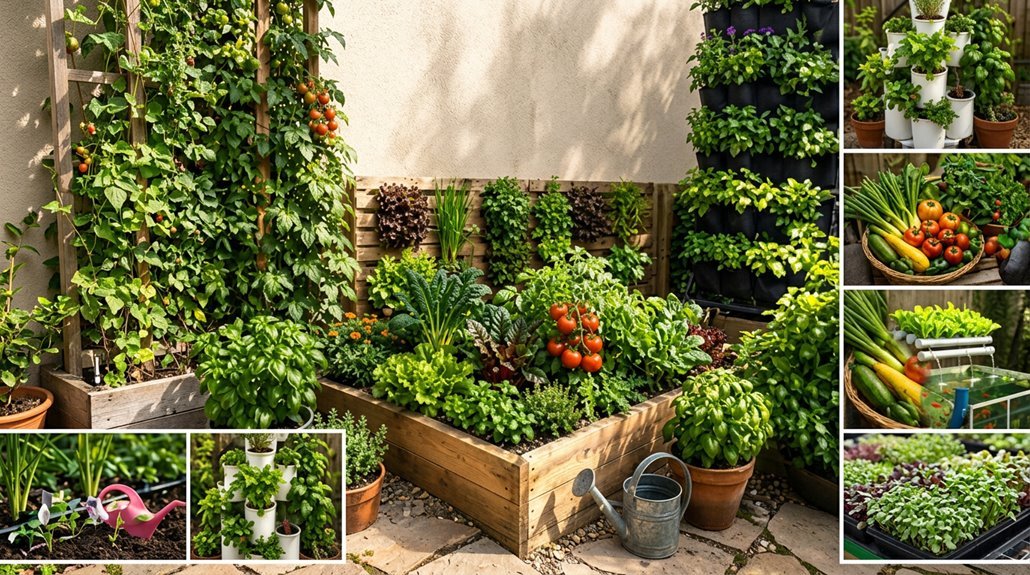
You’ll want to match your vegetable choices to your raised bed’s realities, and that means weighing five key factors before you ever touch a seed packet. Space requirements, sunlight needs, soil depth, climate suitability, and growth duration all work together to determine whether you’ll harvest a bounty or watch plants struggle. Get these basics right, and you’re already halfway to a thriving 2027 growing season!
Space Requirements
Before you fill your raised bed with seedlings, you’ll want to map out the real estate beneath your feet, because root space, not just elbow room above ground, determines whether your harvest thrives or merely survives. You’ll need 6–12 inches of soil depth for root crops like carrots and radishes, while shallow-rooted greens manage just fine in 6–8 inches.
Leafy greens such as lettuce and spinach let you pack things tight, spacing plants just 6–8 inches apart. But vining plants? Give them something to climb! Peas and cucumbers love trellising, which turns your vertical space into bonus growing room.
Follow these spacing guidelines:
- Compact varieties: 8–12 inches between rows
- Larger plants: 18–24 inches
And group crops with similar water needs together. You’ll optimize irrigation and waste less space!
Sunlight Needs
Once you’ve mapped out where every root’s gonna stretch, it’s time to look up and ask: who’s getting the spotlight?
You’ll want to match your plants’ sun appetites to what’s actually hitting your beds. Here’s the breakdown:
- Leafy greens: 4–6 hours (they’re the easygoing ones)
- Fruiting crops like tomatoes and peppers: 8–10 hours (these guys are greedy!)
Position those beds south-facing if you can, and watch out! Tall sides can throw shade on shorter neighbors. Morning sun’s your best friend, it dries leaves fast and keeps disease at bay.
But if you’re baking in intense afternoon heat, rig up some shade or use reflective mulch. And don’t forget: the sun’s angle shifts through the season, so rotate crops between beds to keep everybody happy.
Soil Depth
How deep should you go when you’re filling those beds? Aim for 12–18 inches for most root crops and leafy greens, and push to 24 inches for deep-rooted champs like carrots and parsnips. Anything under 12 inches cramps roots and dries out fast, so you’ll water constantly or pick shallow-friendly crops only.
Your mix matters too. Blend 50–60% mineral soil with compost for drainage and aeration, keeping depth uniform so roots don’t hit compacted walls. And watch that bottom layer! Perched water from frequent watering can girdle roots and stunt growth if drainage’s poor.
Taller vegetables need extra root room, so factor mature height and spacing into your depth plan. Neighboring plants compete for nutrients when roots get crowded. Measure twice, fill once, and your veggies will thank you.
Climate Suitability
Because your raised bed sits above ground, it’s basically a microclimate on stilts, and that means you’ve got more control than you think! You’ll want to match your crops to your USDA hardiness zone and your average last frost date, so tender seedlings don’t get shocked by surprise cold snaps or brutal heat waves.
And here’s where it gets strategic. In hot climates, you should grab heat-tolerant varieties like okra or peppers that laugh at 90°F afternoons. But if you’re gardening somewhere temperate, lean into cool-season champs like spinach and kale that bolt when things get steamy.
Your raised bed’s sun exposure matters too. Most fruiting vegetables crave full sun, while some leafy greens handle partial shade. Just don’t forget: compact root systems work best in these elevated spaces, maximizing every inch of that precious soil volume without demanding elaborate staking systems.
Growth Duration
Why let your raised bed sit idle when you could squeeze multiple harvests from the same footprint? Growth duration determines how many crops you’ll pull from that precious soil each season.
You’ll want to mix these categories strategically:
- Quick wins (25–45 days): Radishes and baby lettuce deliver almost instant gratification, letting you replant immediately.
- Middleweights (55–70 days): Beans and peas fit snugly between spring and fall slots in mild climates.
- Marathoners (70–120+ days): Tomatoes, peppers, corn, and squash demand patience but reward you handsomely.
Here’s the trick: stagger plantings! As you harvest those speedy radishes, slide in pepper transplants behind them. Your raised bed becomes a relay race, not a single sprint.
Plan your calendar, and you’ll eat fresh for months.
Companion Compatibility
Where should you place each plant so they actually help each other thrive? Companion compatibility in raised beds means pairing vegetables that boost pollination, suppress pests, or share resources without stepping on each other’s roots.
You’ll want to keep beneficial partners within several feet. Try these classic combinations:
- Basil with tomatoes: repels flies and mosquitoes while improving flavor
- Marigolds with nearly anything: their roots deter nematodes
And don’t forget root depth! Pair deep-rooted beans with shallow lettuce to maximize your soil layers without underground traffic jams.
But watch out for mismatches. Heavy nitrogen feeders like corn can stress drought-sensitive neighbors unless you’re vigilant with watering. One dry spell and those beneficial interactions evaporate.
Plan your layout like a dinner party. Seat friends together, keep rivals apart, and everyone leaves happy!