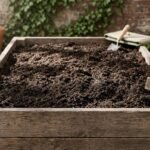
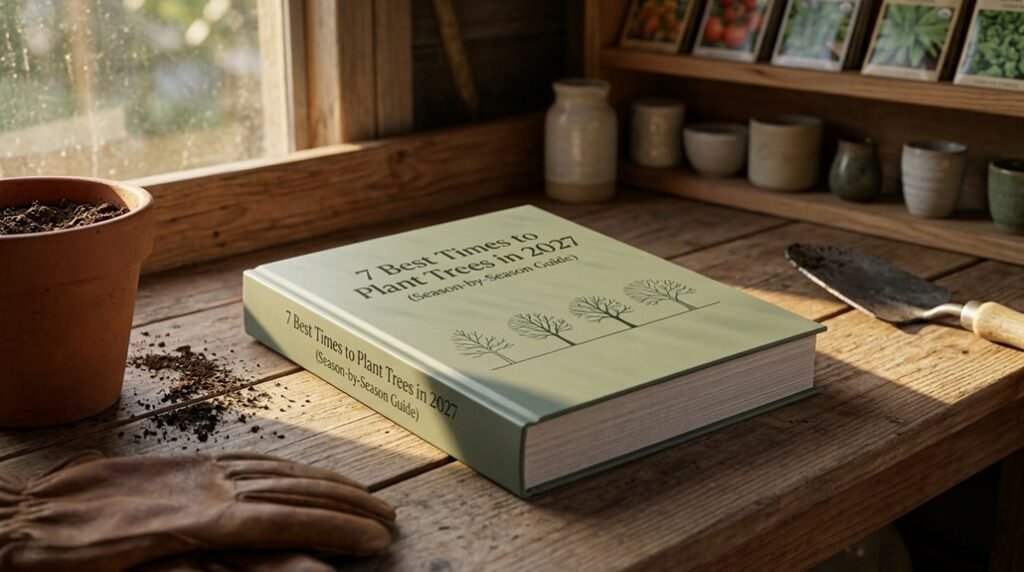
Like a gardener studying the almanac before the first thaw, you’re standing at the threshold of 2027 with a shovel in hand and a vision of shade, fruit, or simply greener horizons. But here’s the thing: timing isn’t just everything, it’s the difference between a thriving oak and a sad stick.
Spring’s frost-free windows, summer’s moisture sweet spots, fall’s root-settling cool-downs, each season offers its own handshake with the soil. And if you think you can just dig and pray, well, your saplings might disagree.
Stick around, because we’re breaking down exactly when to plant, why it matters, and how to match your tree to the calendar’s hidden rhythms.
| Miracle-Gro Tree & Shrub Plant Food Spikes 12 Spikes | Best for Established Trees | Primary Subject: Tree/shrub fertilization | Format Type: Physical spikes | Target User: Home gardeners | VIEW LATEST PRICE | Read My Analysis | |
| Visual Plant Encyclopedia for Kids | Best for Kids | Primary Subject: Plant education/encyclopedia | Format Type: Digital eBook | Target User: Children/students | VIEW LATEST PRICE | Read My Analysis | |
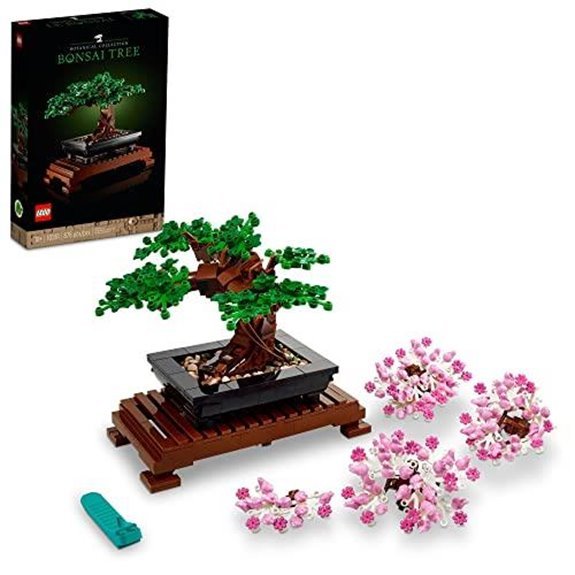
| LEGO Botanicals Bonsai Tree Building Set (10281) | Best Decorative Pick | Primary Subject: Bonsai tree model | Format Type: Physical building set | Target User: Adult builders (18+) | VIEW LATEST PRICE | Read My Analysis | |
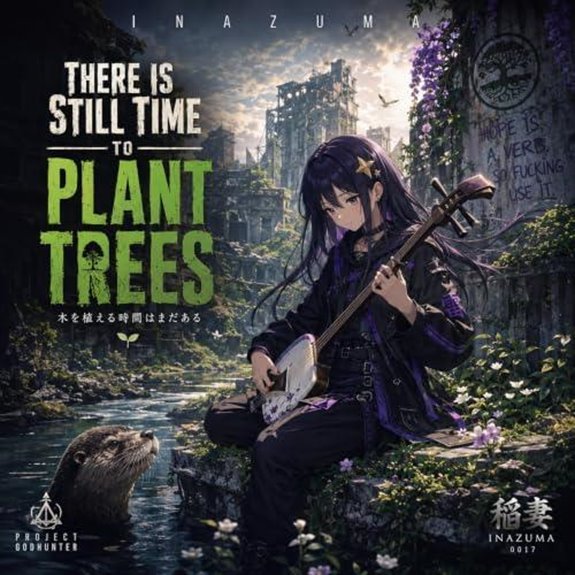
| There is Still Time to Plant Trees [Explicit] | Best Eco-Anthem | Primary Subject: Tree planting advocacy (music) | Format Type: Digital music/MP3 | Target User: Music listeners | VIEW LATEST PRICE | Read My Analysis | |
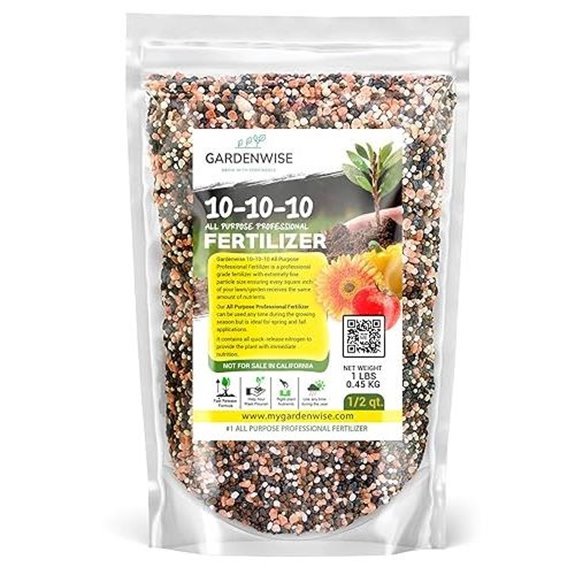
| 10-10-10 Slow Release All Purpose Granular Garden Fertilizer | Best All-Purpose Fertilizer | Primary Subject: Tree/plant fertilization | Format Type: Granular fertilizer | Target User: Gardeners/growers | VIEW LATEST PRICE | Read My Analysis | |
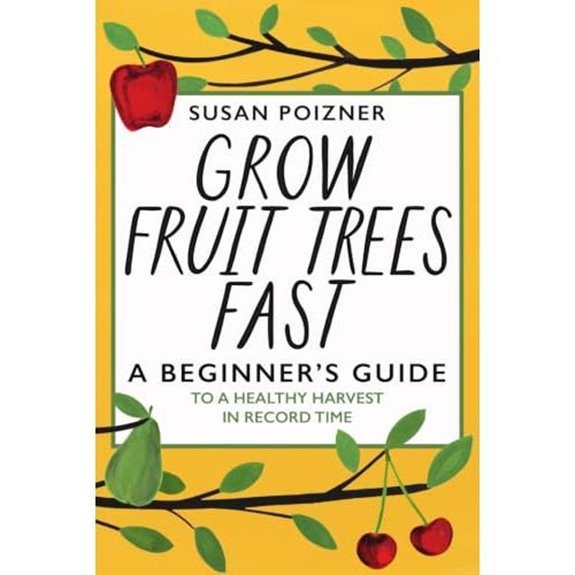
| Grow Fruit Trees Fast: Beginner’s Guide | Best for Beginners | Primary Subject: Fruit tree growing guide | Format Type: Physical paperback book | Target User: Beginner gardeners | VIEW LATEST PRICE | Read My Analysis | |
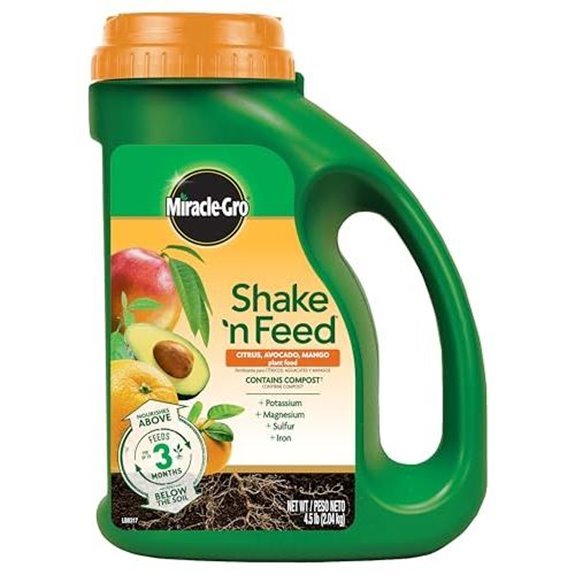
| Miracle-Gro Shake ‘N Feed Citrus & Avocado Plant Food (4.5 lbs) | Best for Fruit Trees | Primary Subject: Citrus/avocado tree food | Format Type: Granular shake container | Target User: Citrus tree growers | VIEW LATEST PRICE | Read My Analysis |
More Details on Our Top Picks
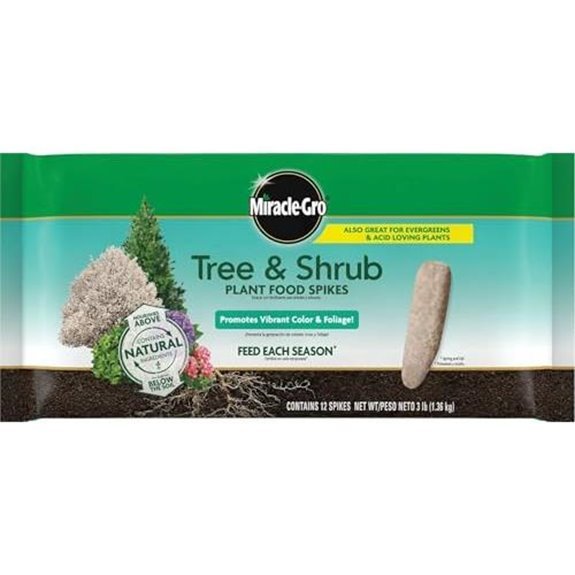
Miracle-Gro Tree & Shrub Plant Food Spikes 12 Spikes
Wondering which fertilizer suits mature trees you’ve already got in the ground? Miracle-Gro Tree & Shrub Plant Food Spikes deliver slow-release nutrients straight to the root zone, right where hungry roots need them most.
You’ll get twelve spikes per pack, enough to feed three trees with four-foot drip lines or one big specimen stretching twelve feet across. Space them at least three feet apart around the canopy edge, that imaginary circle where rain drips off the outermost branches.
Push them in once come spring, then again when leaves start turning. That’s it. No measuring, no mixing, no mess on your hands.
These work for deciduous shade trees, flowering ornamentals, evergreens, and acid-lovers like hydrangeas, azaleas, and magnolias.
But here’s the thing: spikes aren’t for brand-new plantings. Save them for established trees with developed root systems that can handle concentrated feeding zones. Your transplants need gentler, more distributed nutrition while they’re settling in.
- Primary Subject:Tree/shrub fertilization
- Format Type:Physical spikes
- Target User:Home gardeners
- Core Purpose:Nourish trees/shrubs
- Content Focus:Slow-release nutrition
- Application Setting:Outdoor yards/landscapes
- Additional Feature:Slow-release root feeding
- Additional Feature:Spring/fall dual application
- Additional Feature:Drip line placement
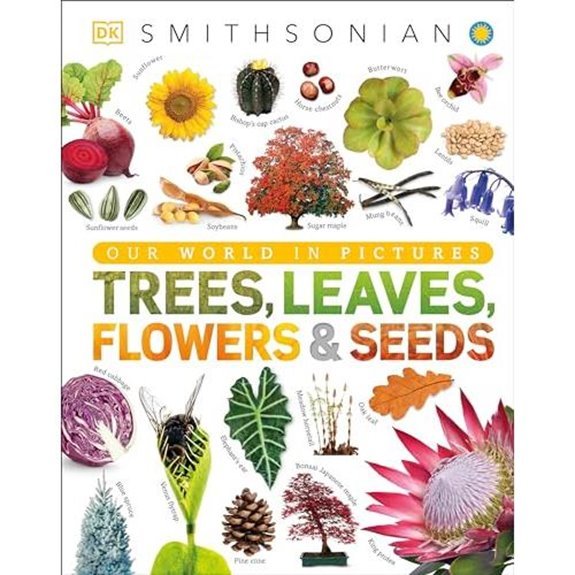
Visual Plant Encyclopedia for Kids
This isn’t your dry textbook from grade school. Instead, you’ll see crisp photographs and diagrams that help kids identify plant parts, track growth stages, and grasp biodiversity without drowning in jargon.
And because it’s digital, you can pull it up instantly when your child spots something strange in the backyard.
The DK Our World in Pictures series built this for quick reference and deeper study alike. You’ll appreciate how visual learning bridges that gap between “plants are boring” and genuine curiosity.
Whether you’re planning your 2027 planting calendar or nurturing a young naturalist, this resource turns questions into discoveries.
- Primary Subject:Plant education/encyclopedia
- Format Type:Digital eBook
- Target User:Children/students
- Core Purpose:Educate about plants
- Content Focus:Visual plant identification
- Application Setting:Digital reading/study
- Additional Feature:Image-rich visual learning
- Additional Feature:Plant part identification
- Additional Feature:DK picture series
LEGO Botanicals Bonsai Tree Building Set (10281)
Looking for a tree you can’t kill? You’ve found it in the LEGO Botanicals Bonsai Tree Building Set (10281), a clever addition to LEGO’s adult-focused Botanical Collection.
Here’s what you’re getting:
- A detailed bonsai model with rectangular pot and slatted wood-effect stand
- Two interchangeable leaf styles: classic green or vibrant pink cherry blossom
- A hidden surprise: the cherry blossom pattern pieces are actually tiny frogs!
You can arrange the leaves however you’d like, creating a custom decoration for your desk, shelf, or windowsill.
And because it’s LEGO, you’ll never worry about watering schedules, dormancy periods, or whether you planted at the wrong time of year.
The set joins other botanical builds like the Flower Bouquet (10280), Wildflower Bouquet (10313), and Orchid (10311).
At ages 18+, it’s designed specifically for adult builders seeking a mindful, creative project.
Bonus: many elements use plant-based plastic from sustainably sourced sugarcane. So you’re building with actual plants, sort of, without any of the maintenance guilt.
Gift it for Valentine’s Day, birthdays, anniversaries, or keep it for yourself. No green thumb required!
- Primary Subject:Bonsai tree model
- Format Type:Physical building set
- Target User:Adult builders (18+)
- Core Purpose:Decorative building/display
- Content Focus:Botanical replica construction
- Application Setting:Indoor home/office display
- Additional Feature:Interchangeable leaf colors
- Additional Feature:Plant-based plastic materials
- Additional Feature:Tiny frog blossoms
There is Still Time to Plant Trees [Explicit]
Who needs a conventional gardening guide when you’re craving something that hits different? “7 Best Times to Plant Trees in 2027 (Season-by-Season Guide)” pairs beautifully with Project Godhunter’s standout eco-anthem, “There is Still Time to Plant Trees [Explicit]”—a track that transforms environmental urgency into something you’ll actually want to blast on repeat.
You’re hearing raw, unfiltered passion for reforestation here. The explicit label isn’t gratuitous; it’s honesty about the stakes we’re facing. And yes, you’ll download this MP3 through digital channels when it drops January 1, 2036.
But here’s what makes this track your perfect planting companion:
- The beat matches your digging rhythm—seriously, try it
- Lyrics reference actual seasonal windows for tree planting
- That explicit tag means zero sugar-coating about climate reality
You’re not just listening; you’re absorbing motivation. The 2036 release date gives you nearly a decade to master those 2027 planting schedules first. Project Godhunter built something that bridges your headphones to your garden gloves.
Queue it up, grab your spade, and remember: there’s still time.
- Primary Subject:Tree planting advocacy (music)
- Format Type:Digital music/MP3
- Target User:Music listeners
- Core Purpose:Environmental messaging
- Content Focus:Tree planting urgency theme
- Application Setting:Digital audio consumption
- Additional Feature:Environmental tree messaging
- Additional Feature:Future-dated release
- Additional Feature:Explicit content label
10-10-10 Slow Release All Purpose Granular Garden Fertilizer
You’ll want a fertilizer that keeps pace with your planting calendar, and GARDENWISE’s 10-10-10 Slow Release formula earns its reputation as the standout all-purpose choice for anyone following seasonal tree-planting schedules.
This balanced 10-10-10 NPK blend delivers nitrogen, phosphorus, and potassium in equal measure, so you’re covering all your nutritional bases without guessing. The slow-release granules feed your trees and shrubs for up to 8 weeks, which means you’re not scrambling to reapply every few weekends.
And here’s the practical upside: you’ll apply it three times yearly for woody plants, twice for garden beds.
The fine granules spread evenly and absorb quickly into soil. You’ll see immediate greening from the quick-release nitrogen component, then sustained growth as the slow-release portion kicks in.
It works for fig trees, arborvitae, roses, and pretty much anything else you’ve planted.
Water after spreading, and you’re set. Simple as that.
- Primary Subject:Tree/plant fertilization
- Format Type:Granular fertilizer
- Target User:Gardeners/growers
- Core Purpose:Feed plants/trees
- Content Focus:Balanced NPK fertilization
- Application Setting:Outdoor gardens/indoor pots
- Additional Feature:8-week sustained nutrition
- Additional Feature:Immediate nitrogen boost
- Additional Feature:Fine even granules
Grow Fruit Trees Fast: Beginner’s Guide
This 101-page paperback strips away the intimidation factor that trips up so many new growers. You’ll find practical steps for planting, care, pruning, fertilization, and pest management, all geared toward faster results.
Here’s what you’ll tackle:
- Selecting varieties that won’t fight you every step of the way (disease-resistant, climate-appropriate winners)
- Planting techniques that establish strong root systems from day one
- Troubleshooting common issues before they derail your harvest timeline
And don’t worry, the pruning section won’t leave you staring at your tree with shears and regret. The troubleshooting guidance addresses those early growth hiccups that send most beginners scrambling to Google at midnight.
Published in 2022 by Paeceioni, this guide targets hobbyists who want healthy fruit production without the decade-long wait. The 101-page format keeps things concise. You won’t wade through encyclopedic chapters to find answers.
But remember: even “fast” fruit trees need proper timing. Pair this guide with your 2027 planting calendar for best results!
- Primary Subject:Fruit tree growing guide
- Format Type:Physical paperback book
- Target User:Beginner gardeners
- Core Purpose:Teach fruit tree cultivation
- Content Focus:Fast fruit production methods
- Application Setting:Home reading/reference
- Additional Feature:Record time harvests
- Additional Feature:Pest management included
- Additional Feature:Variety selection guidance
Miracle-Gro Shake ‘N Feed Citrus & Avocado Plant Food (4.5 lbs)
Looking for a fertilizer that’ll keep your citrus, avocado, and mango trees thriving year-round? Miracle-Gro Shake ‘N Feed Citrus & Avocado Plant Food delivers targeted nutrition with minimal fuss.
This 4.5-pound formula packs potassium, magnesium, sulfur, and iron to combat those frustrating yellowing leaves and stunted growth your tropical trees often suffer. You’ll feed both roots and canopy with one application lasting three full months. No weekly mixing, no measuring headaches.
Application couldn’t be simpler: shake granules evenly under your tree’s canopy spread (don’t let any touch the trunk or leaves), work into the top inch or two of soil, then water thoroughly. Repeat quarterly, and you’re set.
It works equally well for your potted Meyer lemon on the patio or that ambitious backyard avocado grove. Established plantings respond best, so hold off on brand-new transplants until they’ve settled in.
- Primary Subject:Citrus/avocado tree food
- Format Type:Granular shake container
- Target User:Citrus tree growers
- Core Purpose:Feed citrus/avocado trees
- Content Focus:Micronutrient supplementation
- Application Setting:Container or in-ground use
- Additional Feature:3-month feeding duration
- Additional Feature:Micronutrient deficiency correction
- Additional Feature:Branch spread application
Factors to Consider When Choosing the Time to Plant Trees
You’ll want to weigh several key factors before grabbing your shovel, because timing isn’t just about picking a season off the calendar. Your local climate and temperature swings, soil quality (think drainage, pH, and whether it’s workable or frozen solid), and your chosen tree species all play starring roles in this decision. And don’t forget to track your area’s frost dates and each tree’s dormancy cycle, since planting while they’re sleeping gives roots time to establish before the growing rush!
Climate and Temperature
Before you dig that first hole, you’ve got to get cozy with what your local weather’s actually doing out there, because climate and temperature aren’t just background noise, they’re the main event when you’re deciding when to put a tree in the ground.
You’ll want to aim for that sweet spot of active growth when things are cool to mild, steering clear of brutal heat or bone-chilling cold that’ll stress your new tree right out of the gate.
Here’s what to watch for:
- Check your local climate zone, temperate folks, spring and early fall are usually your golden windows
- Track soil temperature, roots start partying when it hits 40–50°F consistently
- Dodge frost and heatwaves like they’re your ex at a party
- Time it with rainfall so nature does some of your watering
Smart timing equals happy trees!
Soil Condition Quality
How’s your dirt doing? Before you grab that shovel, you’ve gotta check what you’re working with, because soil condition quality can make or break your 2027 planting schedule.
You want loam texture, good aeration, and drainage that doesn’t leave roots swimming or gasping. And pH? It matters more than you’d think. Too acidic or alkaline, and your tree can’t grab nutrients even when they’re right there.
Here’s your pre-planting checklist:
- Test for compaction and heavy metals (roots hate struggling through concrete-hard ground)
- Check organic matter content, that carbon-rich stuff improves structure and water retention
- Identify nutrient deficiencies: nitrogen, phosphorus, potassium
Get that baseline soil test done early. You’ll know exactly what amendments to add, and you’ll time your planting when the ground’s actually ready to welcome new roots!
Tree Species Selection
Once you’ve got your soil figured out, it’s time to pick your players. You need trees that’ll actually thrive where you live, not just survive.
Start here:
- Check your climate zone. Match deciduous, evergreen, or acid-loving species to your region’s quirks. A maple won’t thank you for desert heat!
- Size matters. Measure your space. That cute sapling becomes a 40-foot giant with roots sprawling 20 feet past the canopy. Plan ahead, or you’ll be chainsawing regrets later.
- Consider the bonuses. Want spring blooms? Fall fruit? Pollinator parties? Pick species whose flowering and fruiting habits align with your vision.
- Know your dirt. pH, drainage, fertility, select trees that tolerate your conditions, or budget for amendments.
- Resist the pests. Research regional disease resistance. Less spraying, more enjoying!
Dormancy Cycle Timing
Because trees don’t just sleep through winter, they’re running a complex biological clock, and you’re the one who needs to set the alarm. You need to match your planting to their dormancy cycle, and here’s why that matters.
Most temperate trees enter dormancy when cold settles in and photosynthesis drops. Their metabolism slows, which means you can dig them up, move them around, and they’ll barely flinch. That’s your window! Reduced water and nutrient demand means less transplant shock for you to manage.
But watch those chilling hours, each species has its own cold-time quota. Once met, buds break in spring. Plant too early, and you risk frost damage. Too late, and roots won’t anchor before growth explodes. You’re aiming for that sweet spot: cold enough for calm, not so late that spring catches you napping!
Local Frost Dates
Where exactly does your growing season begin and end? Your local frost dates hold the answer, and you’ll want to pin these down before grabbing your shovel.
These dates mark your first and last expected frosts, spring and fall, and they frame your safe planting window. Plant too early, and you’re gambling with cold damage on tender new roots. Plant too late, and your tree won’t settle in before winter hits.
Here’s the breakdown:
- Deciduous trees: Get them in after that last spring frost, but before summer heat kicks in. This gives roots time to anchor without scorching.
- Evergreens: Same post-frost timing applies, since winter injury’s no joke for foliage that sticks around.
Check your local frost calendar, or ring up your cooperative extension for spot-on regional dates. No guesswork needed!
Water Availability Needs
You’ve got your frost dates locked in, but here’s the thing: timing your planting around temperature is only half the battle. Water availability makes or breaks your tree’s survival, so let’s get you sorted.
During establishment, your tree craves consistent soil moisture. Aim for 10-15 gallons weekly for small to medium species, but adjust for rainfall and whether you’re dealing with sandy loam or heavy clay.
Here’s the trick: start with regular watering, then shift to deeper, less frequent soakings as roots develop. This builds drought tolerance that’ll save you headaches later.
For drip or soaker systems, place water near the drip line, that outer edge where roots are actively expanding. And mulch! A proper layer reduces evaporation, locks in moisture, and keeps soil temperature steady. Your future self will thank you when summer hits!