Home vegetable gardening jumped 42% between 2019 and 2025, and you’re probably one of the millions who’ve caught the growing bug.
But here’s the thing: not every gardening book deserves shelf space in your shed. Some recycle tired advice, others ignore your specific climate zone entirely, and a few still recommend pesticides your grandparents wouldn’t touch.
The seven titles ahead cut through that noise with proven techniques, whether you’re squeezing tomatoes onto a balcony or planning rows that’ll feed your whole block. You’ll want to see which ones match your space, your schedule, and your stubborn determination to grow food that actually tastes like something.
| The Old Farmer’s Almanac Vegetable Gardener’s Handbook | Best for All Zones | Format: Paperback | Page Count: 208 pages | Target Audience: All levels | VIEW LATEST PRICE | Read My Analysis | |
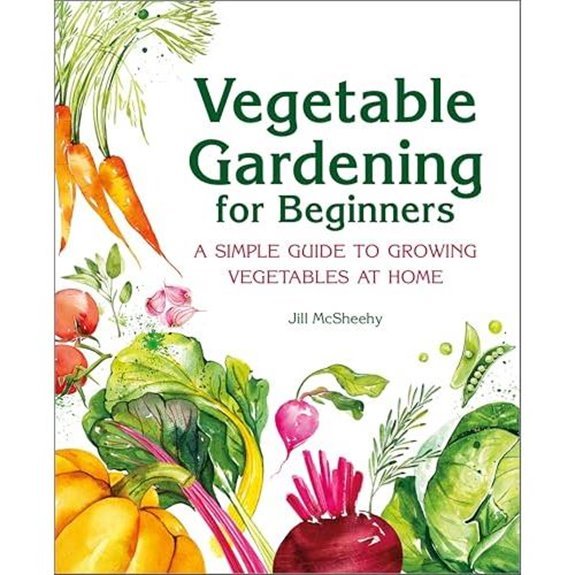
| Vegetable Gardening for Beginners: Simple Home Guide | Best Digital Format | Format: Kindle eBook | Page Count: 207 pages | Target Audience: Beginners | VIEW LATEST PRICE | Read My Analysis | |
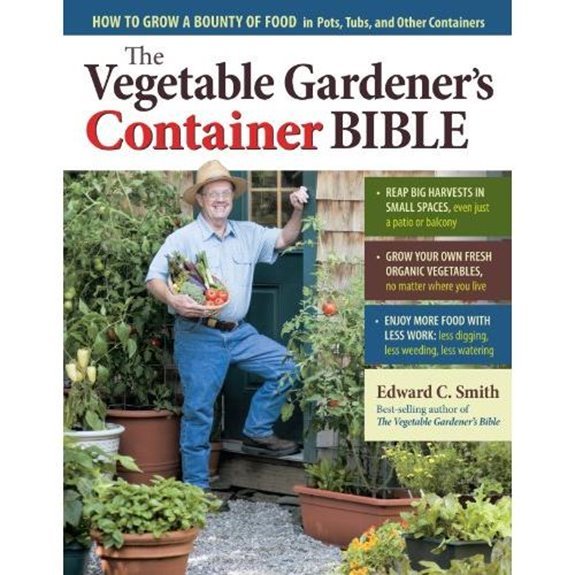
| The Vegetable Gardener’s Container Bible: Growing Food in Pots | Best for Containers | Format: Paperback | Page Count: 264 pages | Target Audience: All levels | VIEW LATEST PRICE | Read My Analysis | |
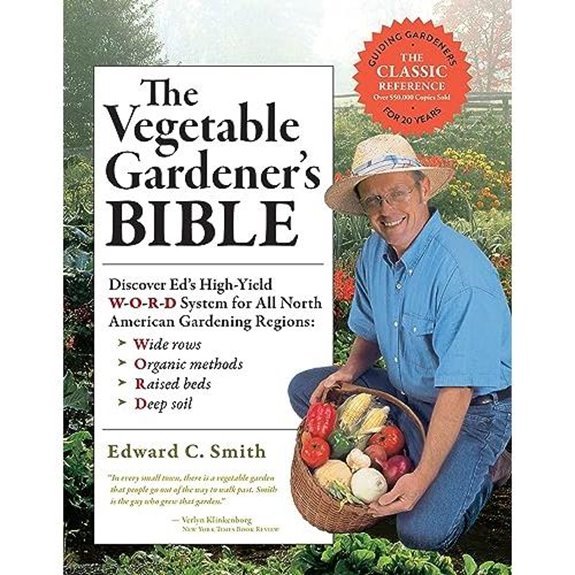
| The Vegetable Gardener’s Bible 2nd Edition | Best High-Yield System | Format: Paperback | Page Count: 352 pages | Target Audience: All levels | VIEW LATEST PRICE | Read My Analysis | |
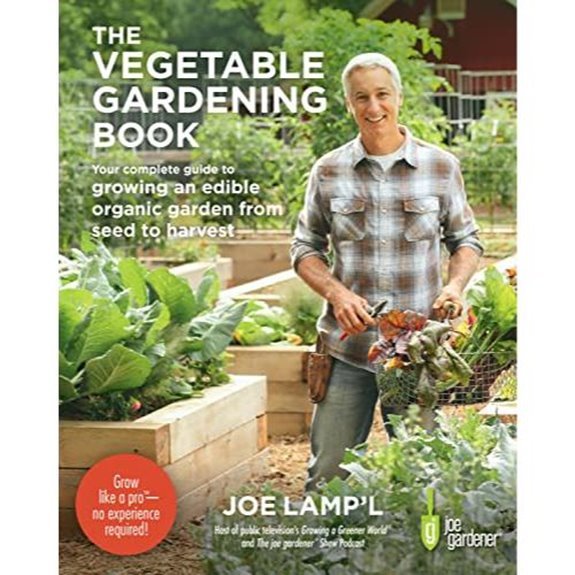
| The Vegetable Gardening Book: Complete Guide to Growing Edible Organic Gardens | Best Organic Guide | Format: Paperback | Page Count: 256 pages | Target Audience: Beginner to experienced | VIEW LATEST PRICE | Read My Analysis | |
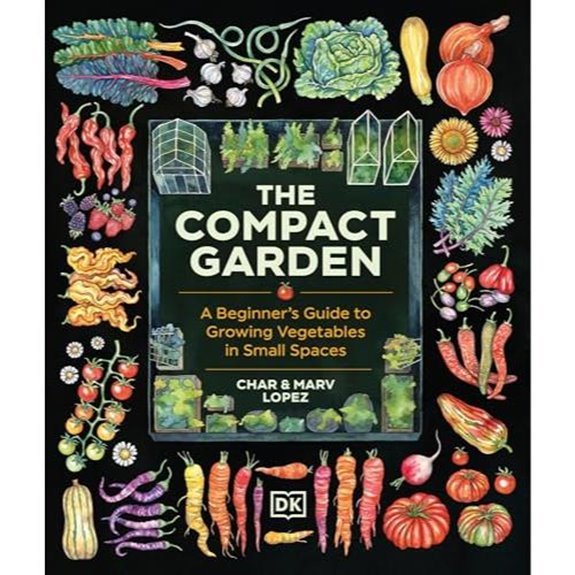
| The Compact Garden: Growing Vegetables in Small Spaces | Best for Small Spaces | Format: Hardcover | Page Count: 256 pages | Target Audience: Beginners | VIEW LATEST PRICE | Read My Analysis | |
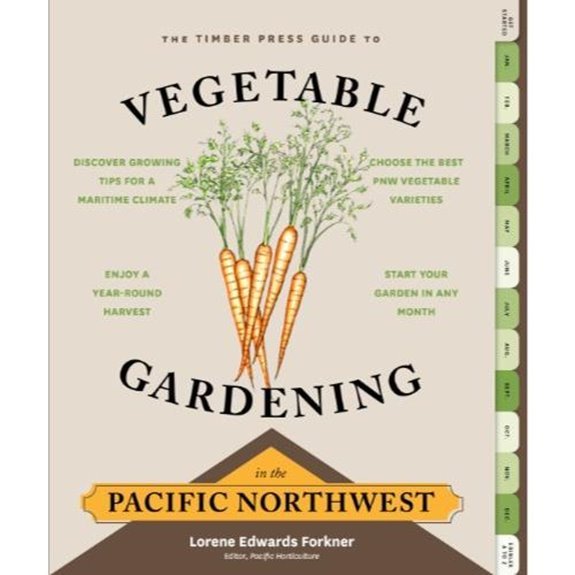
| The Timber Press Guide to Vegetable Gardening | Best Regional Guide | Format: Paperback | Page Count: 232 pages | Target Audience: Beginner to experienced | VIEW LATEST PRICE | Read My Analysis |
More Details on Our Top Picks
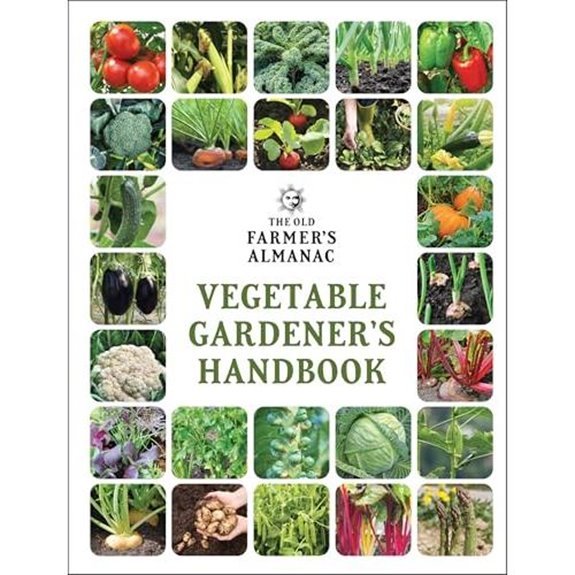
The Old Farmer’s Almanac Vegetable Gardener’s Handbook
Why does zone compatibility matter? Because you’re not growing tomatoes in a vacuum, friend. You’re battling frost dates, heat waves, and that sneaky late-spring freeze that’ll murder your peppers without warning.
The Old Farmer’s Almanac Vegetable Gardener’s Handbook gets this. You’ll find step-by-step guidance for more than 30 vegetables that works in any zone, which means you’re not guessing when to sow or harvest.
This 208-page paperback, published in 2019, packs serious practical punch. You’ll learn soil fundamentals, including how to test your dirt and why it matters. You’ll master seed-starting and seed-saving, plus choose between in-ground methods or raised-bed alternatives.
The illustrated format helps you actually see what success looks like. You’ll appreciate the essential reference tables, space for your own notes, and over 150 full-color photos.
The anecdotes from fellow gardeners? Enlightening and occasionally hilarious. You’ll discover which plants play nice together and which ones start garden wars.
The easy-to-use layout means you won’t waste precious growing time flipping pages. And that notes area lets you customize advice to your specific plot, because your garden’s quirks are yours alone!
- Format:Paperback
- Page Count:208 pages
- Target Audience:All levels
- Growing Methods:In-ground, raised beds, seed-starting
- Content Focus:30+ vegetables, soil, seed-saving
- Visual Elements:150+ full-color photos
- Additional Feature:30+ vegetables covered
- Additional Feature:Seed-saving techniques included
- Additional Feature:Fellow gardener anecdotes
Vegetable Gardening for Beginners: Simple Home Guide
Looking for a beginner-friendly guide that won’t overwhelm you? Callisto’s “Vegetable Gardening for Beginners: A Simple Guide to Growing Vegetables at Home” delivers exactly that. This 207-page Kindle eBook, published April 2020, breaks down everything into bite-sized, actionable chunks.
You’ll start with soil prep and bed layout, then move through seasonal planning, seed selection, and transplanting. The book covers watering schedules, fertilization timing, pest management, and proper harvesting techniques. And yes, it even tells you how to store your bounty!
The techniques span three growing approaches:
- Container gardening (perfect for patios)
- Raised beds (great for poor native soil)
- Succession and companion planting (maximize your space)
Clear chapters, illustrations, and troubleshooting sections guide your gradual skill building. Quick-start checklists keep you on track without stress.
You’ll gain homegrown produce, better nutrition, fewer grocery trips, plus efficient water use through organic methods. Seasonal calendars help you plan manageable maintenance routines.
- Format:Kindle eBook
- Page Count:207 pages
- Target Audience:Beginners
- Growing Methods:Container, raised beds, succession, companion planting
- Content Focus:Home cultivation, seasonal planning, pest management
- Visual Elements:Illustrations, checklists
- Additional Feature:Succession planting techniques
- Additional Feature:Harvesting and storage
- Additional Feature:Troubleshooting sections included
The Vegetable Gardener’s Container Bible: Growing Food in Pots
You’ve got limited space but still want homegrown tomatoes? Then grab The Vegetable Gardener’s Container Bible: How to Grow a Bounty of Food in Pots, Tubs, and Other Containers, published by Storey Publishing in 2011.
This illustrated paperback spans 264 pages of practical, pot-specific guidance. You’ll learn which containers work best, from standard pots to repurposed tubs, and why drainage holes aren’t negotiable.
The book breaks down soil mixes, feeding schedules, and variety selection for compact growing.
And here’s the thing: container gardening isn’t just balcony tomatoes. You’re growing peppers, greens, even root crops, all within arm’s reach.
The illustrated format means you see exactly how deep to plant, how far to space, when to water.
No yard? No problem. This bible turns windowsills, patios, and fire escapes into productive patches. It’s old-school reliable, predating trendy TikTok hacks by a decade, and that durability speaks volumes. Your harvest awaits!
- Format:Paperback
- Page Count:264 pages
- Target Audience:All levels
- Growing Methods:Container gardening
- Content Focus:Food in pots, tubs, containers
- Visual Elements:Illustrated edition
- Additional Feature:Pots, tubs, containers
- Additional Feature:Food-focused growing
- Additional Feature:Container-specific methods
The Vegetable Gardener’s Bible 2nd Edition
Smith’s signature W-O-R-D approach breaks down into four practical pillars: Wide rows, Organic methods, Raised beds, and Deep soil. Edward C. Smith’s 2009 guide from Storey Publishing gives you 352 illustrated pages packed with region-specific wisdom for every North American climate zone.
You’ll dig into techniques that maximize your growing space without demanding acres of land. Wide-row planting lets you harvest more from less square footage, while raised beds solve drainage headaches and warm soil faster come spring.
Smith’s deep soil philosophy encourages you to stop fighting compacted earth and start building loamy, root-friendly growing medium instead.
The organic emphasis runs throughout. You’ll find composting strategies, natural pest deterrents, and soil amendment schedules that build fertility without synthetic shortcuts.
And because it’s North America-focused, you won’t waste time adapting advice meant for English cottage gardens or Mediterranean terraces.
This 2nd edition refines the original with updated varieties and methods. It’s paperback, portable, and built for muddy thumbprints.
Whether you’re breaking ground on your first plot or retooling an established system, Smith speaks your language. Practical, thorough, occasionally witty, and genuinely useful.
- Format:Paperback
- Page Count:352 pages
- Target Audience:All levels
- Growing Methods:Wide rows, organic, raised beds, deep soil
- Content Focus:High-yield W-O-R-D system
- Visual Elements:Illustrated edition
- Additional Feature:W-O-R-D system
- Additional Feature:Wide-row design method
- Additional Feature:North American regions
The Vegetable Gardening Book: Complete Guide to Growing Edible Organic Gardens
Who needs a garden coach when you’ve got 256 pages of organic wisdom in your hands? Cool Springs Press delivers exactly that with this 2022 paperback that walks you through the entire growing season.
You’ll find practical guidance for every stage: planning your plot, prepping soil, starting seeds indoors, transplanting seedlings, and keeping everything thriving until harvest. The book doesn’t just throw terms at you, it layers context so “succession planting” and “integrated pest management” make sense as you go.
And here’s what seals the deal: seasonal calendars keep you on track, troubleshooting sections save you from panic when aphids strike, and the step-by-step format works whether you’re digging your first bed or refining decades of practice.
It’s comprehensive without being overwhelming, friendly without being fluffy. Your edible organic garden starts here.
- Format:Paperback
- Page Count:256 pages
- Target Audience:Beginner to experienced
- Growing Methods:Organic edible gardening
- Content Focus:Seed to harvest, organic, troubleshooting
- Visual Elements:Not specified
- Additional Feature:Organic gardening focus
- Additional Feature:Seed-to-harvest guidance
- Additional Feature:Seasonal calendars included
The Compact Garden: Growing Vegetables in Small Spaces
You’ll find step-by-step guidance for containers, balconies, and tight corners without any pretension. The hardcover format holds up to repeated thumbing through, and the illustrations actually clarify instead of decorating empty space.
Here’s what you’ll work through:
- Soil composition and drainage for pots that won’t drown your tomatoes
- Sunlight mapping: tracking which hours hit your specific spot
- Watering schedules that account for container heat retention
- Seasonal succession planting to maximize limited square footage
The quick-start tips get you planting this weekend, not after three chapters of philosophy.
And the diagrams? They show you exactly how deep to set a pepper seed, how to trellis cucumbers vertically when horizontal space doesn’t exist.
For first-time gardeners with more ambition than acreage, this keeps expectations realistic and harvests achievable. No guilt, no farm-required gatekeeping.
- Format:Hardcover
- Page Count:256 pages
- Target Audience:Beginners
- Growing Methods:Small spaces, containers, balconies
- Content Focus:Compact spaces, step-by-step for beginners
- Visual Elements:Illustrations and diagrams
- Additional Feature:Small space focus
- Additional Feature:Balcony gardening methods
- Additional Feature:2026 future publication
The Timber Press Guide to Vegetable Gardening
Need a guide that actually understands your weather? You’ll find your match in The Timber Press Guide to Vegetable Gardening in the Pacific Northwest.
This 232-page paperback, published by Timber Press in 2013, zeroes in on your specific growing conditions.
And it doesn’t mess around with generic advice that leaves you guessing when to plant your tomatoes.
You’ll get practical, region-specific guidance covering:
- Vegetable selection for cool, wet springs and mild summers
- Planting calendars timed to your actual frost dates
- Soil preparation that tackles your heavy clay or acidic conditions
- Irrigation strategies for your rainy winters and dry summers
- Pest management for regional troublemakers like slugs and root maggots
- Harvest timing that maximizes your shorter growing season
Whether you’re starting your first raised bed or refining decades of practice, this guide speaks your language.
No fluff, just the specifics you need to grow food that thrives where you live.
- Format:Paperback
- Page Count:232 pages
- Target Audience:Beginner to experienced
- Growing Methods:Regional climate-specific
- Content Focus:Pacific Northwest regional guide
- Visual Elements:Not specified
- Additional Feature:Pacific Northwest regional
- Additional Feature:Planting calendars included
- Additional Feature:Irrigation guidance specific
Factors to Consider When Choosing Vegetable Gardening Books
You’ll want to match a book to your reality, not just grab whatever’s trending on the garden store shelf. Consider where you’ll actually grow things (a sunny windowsill, a rented plot, or that half-acre behind your garage), how much you already know about soil biology and pest cycles, and whether you’re committed to organic methods or just want your tomatoes to survive August. And please, check that the author’s hardiness zone advice won’t leave you staring at frost-killed seedlings in May.
Skill Level Match
Start by flipping to the table of contents and scanning for these structural clues that signal a good fit:
- Step-by-step guidance that doesn’t rush you
- Checklists you can actually tick off
- Quick-start chapters for early wins
You’ll want to match the book’s stated audience to your own experience. Beginner? Look for foundational soil, watering, and pest management sections before anything fancy like seed-saving. And those illustrations aren’t just pretty, they’re lifelines when you’re staring at a seedling wondering if it’s thriving or dying.
Check that concepts build gradually. A book promising “all skill levels” should still pace itself, not dump jargon on page three.
Regional perspectives matter too. If you’re growing in containers or specific climates, verify the author addresses your reality. The right match means you won’t shelve it by June!
Growing Space Type
Container gardeners need specifics: pot depths for tomatoes (aim for 18 inches minimum), drainage solutions that won’t annoy your downstairs neighbor, and potting mixes that won’t turn to concrete by August. But don’t stop there! You’ll want books that match your actual setup, whether that’s containers, raised beds, or wide-row systems.
Look for titles covering compact layouts, balcony scenarios, and terrace tricks that squeeze every tomato from limited square footage. Prioritize guidance on:
- Soil mixes tailored to tight spaces
- Watering strategies that won’t drown roots or waste a drop
- Illustrated plans and quick-start guides you can actually use
And if you’re building raised beds, seek books recommending deep soil practices suited to your outdoor area. Skip generic advice: you need space-specific solutions that work where you live!
Regional Climate Relevance
Once you’ve sorted out whether you’re growing in pots or plots, the next puzzle is making sure your book actually knows where you garden.
Regional climate applicability shapes everything that matters: zone-based planning, seasonal calendars, and which pests you’re actually fighting. A book labeled “Pacific Northwest” or “Desert Southwest” hands you sowing windows that line up with your frost dates, irrigation advice that matches your rainfall, and cultivars proven in your conditions. You’ll find wide-rows and raised beds framed through local soil types and temperature swings, not generic advice that wilts in translation.
And those illustrations! Region-specific guides show calendars aligned with your actual growing season, not some theoretical average. The right book turns general principles into timing you can use, plant choices that thrive, and practices that make sense where you live.
Organic Method Preference
Three questions separate the organic-curious from the committed: how deep you’re willing to dig into soil biology, whether you’ll tolerate some pest damage for ecosystem balance, and if you’re ready to replace quick chemical fixes with slower, systemic solutions.
You’ll want books that treat soil as a living community, not just dirt. Look for chapters walking you through compost ratios (roughly 25:1 carbon to nitrogen works wonders), cover crop rotations, and mulch strategies that suppress weeds while feeding earthworms.
Check if the author explains natural pest control through habitat creation rather than just spray schedules. And don’t skip the regional angle! Organic methods fail fast when applied blindly.
A book pairing Pacific Northwest moisture management with Pacific Northwest slug control? That’s gold. Verify the author references certified organic standards, and you’ll build soil that outlasts any growing season.
Container vs. In-Ground
Where do you actually have room to grow? That question shapes everything about which vegetable gardening books deserve your shelf space in 2027.
If you’re working with a balcony, patio, or tiny yard, container-focused titles become your best friend. These books walk you through pot selection, drainage holes (don’t skip them!), and keeping plants alive when their soil volume is limited. You’ll learn water management tricks that prevent your tomatoes from drying out by Tuesday afternoon.
But maybe you’ve got actual ground to work with. In that case, grab in-ground guides that dive into raised beds, double-digging, and building soil that feeds plants for years. These books cover site prep, bed layout, and the slow work of creating fertile ground.
Match the book to your footprint. Small space? Container wisdom. Room to spread? In-ground depth.
Visual Learning Needs
Some gardeners need to see it to grow it, and that’s perfectly fine. If you’re wired this way, you’ll want to hunt for books explicitly tagged as “illustrated edition” or packed with full-color photos. Check those page counts and format descriptions. You’re looking for diagrams, not walls of text!
Prioritize guides featuring:
- Charts and quick-start visuals
- Observation note spaces for sketching
- Labeled garden layouts and process maps
Skip anything that buries concepts in dense paragraphs when a simple drawing would do.
And hey, don’t feel guilty about judging a book by its visual content. Your brain processes information differently, and the right imagery will have you transplanting seedlings with confidence instead of squinting at confusing instructions!
Publication Date Consideration
Once you’ve found a book that speaks your visual language, you’ll want to check when it was born. Publication dates across these titles span 2009 to 2026, and that gap matters more than you’d think.
Newer books (think 2022, 2026) typically pack updated practices: climate-adapted growing zones, space-saving container techniques, and pest management that actually works against today’s bug populations. But don’t toss the oldies! Volumes focused on soil basics, composting fundamentals, or heirloom wisdom stay relevant decade after decade.
Watch for revised editions, too. A “2nd Edition” signals the author has refreshed techniques or restructured confusing sections.
Here’s your quick checklist when comparing options:
- Match publication year to your climate concerns
- Verify container and small-space advice feels current
- Confirm pest solutions address present-day challenges
Balance freshness with foundational staying power, and you’ll land a keeper!