Golden morning light spills across your garden bed, and you spot a fuzzy bumblebee already at work on a purple coneflower. That’s the moment you realize your pollinator garden is alive.
But here’s the thing: not all plants pull equal weight for bees, and 2027’s shifting bloom cycles mean timing matters more than ever. You need reliable performers that bridge the hungry gaps between seasons.
Seven standout species have emerged as essential anchors for serious pollinator gardens this year, each solving a specific problem you didn’t know you had.
| SEEKOGO Metal Bee Watering Station (4-Pack) | Best Garden Decor | Pollinator Target: Bees, butterflies, pollinators | Product Category: Garden accessory | Garden Focus: Water station habitat | VIEW LATEST PRICE | Read My Analysis | |
| Cultivating Native Plants for Pollinators: A Comprehensive Guide | Most Comprehensive Guide | Pollinator Target: Birds, bees, butterflies | Product Category: Book | Garden Focus: Native plant cultivation | VIEW LATEST PRICE | Read My Analysis | |
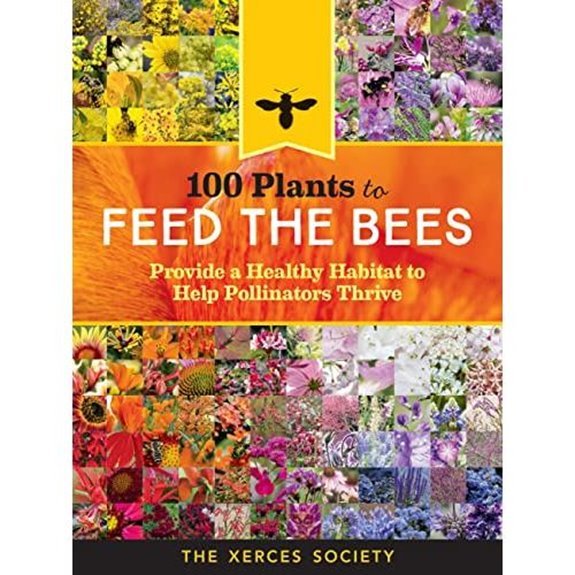
| 100 Plants to Feed the Bees | Best Quick Reference | Pollinator Target: Bees | Product Category: Book | Garden Focus: Plant selection for habitat | VIEW LATEST PRICE | Read My Analysis | |
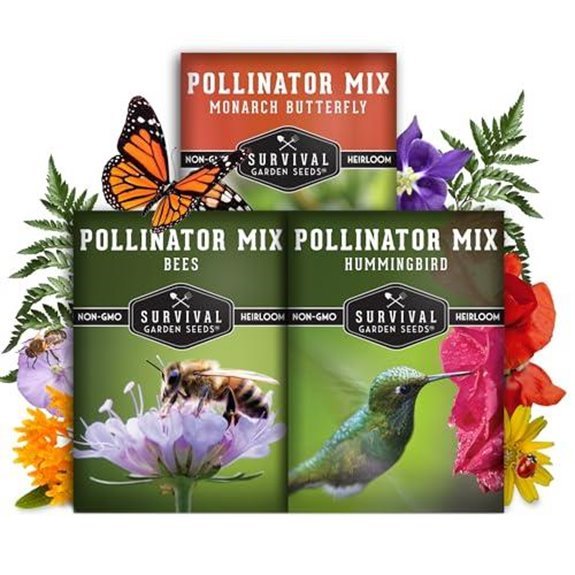
| Pollinator Flower Seed Collection – 3 Varieties | Best Seed Collection | Pollinator Target: Butterflies, hummingbirds, honeybees, native bees | Product Category: Seeds | Garden Focus: Flower seed mixes | VIEW LATEST PRICE | Read My Analysis | |
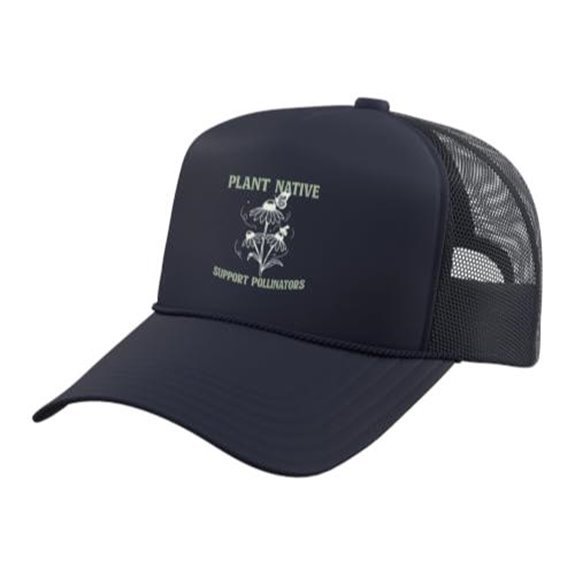
| Native Pollinators Bee Butterfly Garden Trucker Hat | Best Wearable | Pollinator Target: Bees, butterflies | Product Category: Apparel | Garden Focus: Native plant promotion | VIEW LATEST PRICE | Read My Analysis | |
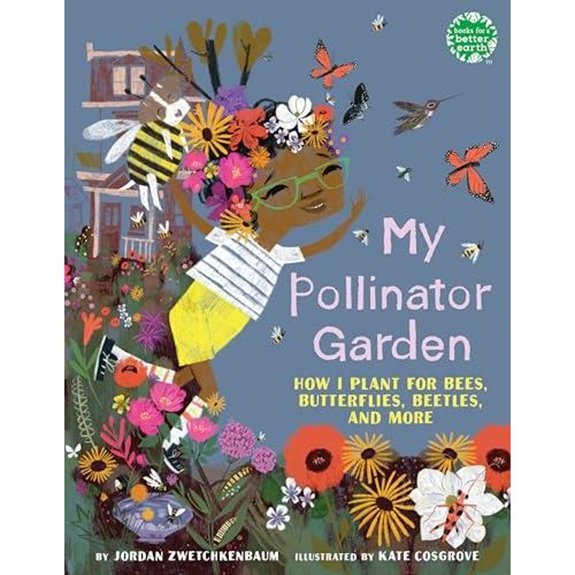
| My Pollinator Garden: Planting for Bees and Butterflies | Best For Kids | Pollinator Target: Bees, butterflies, beetles | Product Category: Book | Garden Focus: Pollinator-friendly planting | VIEW LATEST PRICE | Read My Analysis | |
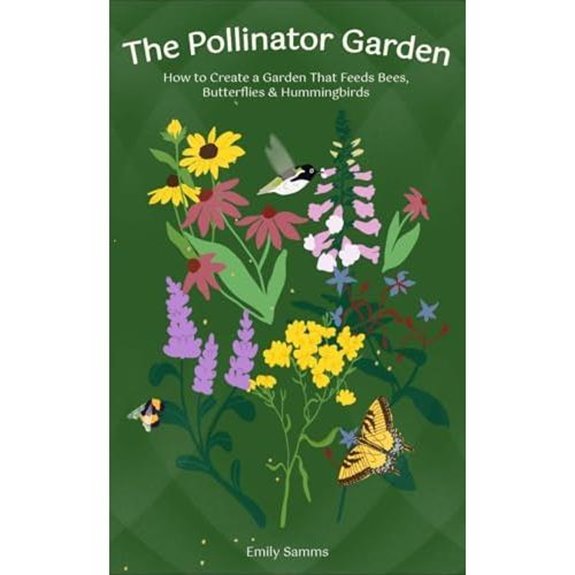
| The Pollinator Garden: A Practical Guide to Flowers and Bees | Best Seasonal Blooms | Pollinator Target: Bees | Product Category: Book | Garden Focus: Flower-focused garden design | VIEW LATEST PRICE | Read My Analysis |
More Details on Our Top Picks
SEEKOGO Metal Bee Watering Station (4-Pack)
Who’s this pollinator garden guide really for? It’s for you, the gardener who wants more than blooms. You want buzzing, fluttering, living proof your space matters.
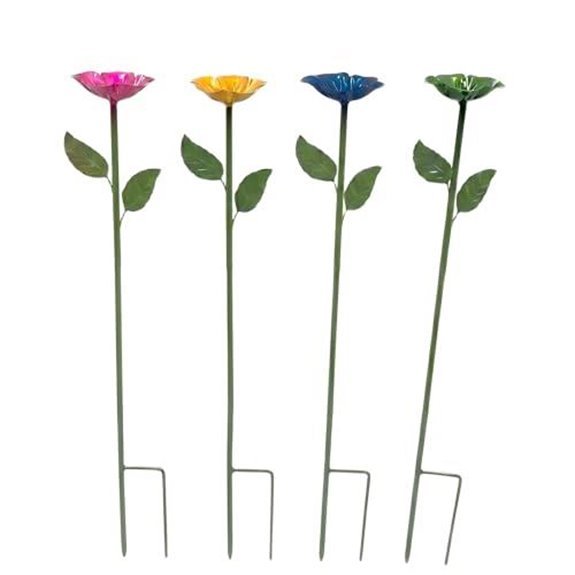
Enter the SEEKOGO Metal Bee Watering Station, a four-pack of shallow, flower-shaped cups that keep bees and butterflies hydrated without the drowning risk deeper dishes pose. You stake them in beds, borders, or patio containers, no tools required. The iron construction shrugs off rain and sun.
Those removable cups mean you’re not wrestling with the whole stake when it’s time to refresh the water.
Here’s what you get:
- Four multicolor flower cups with leaf-detail stakes
- Low-depth landing zones safe for tiny pollinator feet
- Weather-resistant coating for year-round display
You’ll appreciate the decorative boost as much as the ecological one. And at roughly the effort level of “stick in ground, add water,” there’s really no excuse to skip this small upgrade with outsized impact!
- Pollinator Target:Bees, butterflies, pollinators
- Product Category:Garden accessory
- Garden Focus:Water station habitat
- Practical Application:Water provision, landing safety
- Format Type:Physical metal stakes (4-pack)
- Sustainability Emphasis:Year-round weather-resistant use
- Additional Feature:Weather-resistant iron construction
- Additional Feature:Removable cups for cleaning
- Additional Feature:Flower-shaped decorative design
Cultivating Native Plants for Pollinators: A Comprehensive Guide
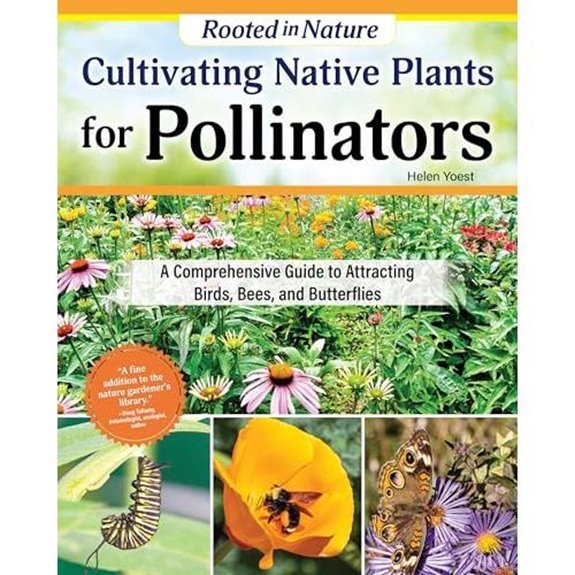
This 196-page paperback, hitting shelves April 7, 2026, breaks down native gardening for every U.S. region using sustainable practices. And it’s not just another pretty garden book! You’re getting practical, region-specific guidance on:
- Selecting native species that actually thrive where you live
- Building habitat for birds, bees, and butterflies
- Maintenance approaches that align with ecological restoration
The book recognizes that your local climate, soil, and existing flora dictate what works. You’ll learn to match plants to conditions rather than fighting uphill battles with finicky exotics.
The payoff? Real biodiversity in your backyard, plus ecosystem services like natural pest control and improved soil health. Whether you’re a novice or seasoned gardener, this reference helps you build pollinator habitat without guesswork. It’s environmental responsibility you can practice between weekend coffee and weeding!
- Pollinator Target:Birds, bees, butterflies
- Product Category:Book
- Garden Focus:Native plant cultivation
- Practical Application:Regional planting guidance
- Format Type:Paperback, 196 pages
- Sustainability Emphasis:Sustainable gardening practices
- Additional Feature:196-page comprehensive guide
- Additional Feature:Region-specific U.S. coverage
- Additional Feature:Sustainable practices emphasis
100 Plants to Feed the Bees
Gardeners seeking a comprehensive yet approachable guide will find their match here. “100 Plants to Feed the Bees” stands out as the premier quick reference for anyone ready to transform their outdoor space into pollinator paradise. It’s remarkably thorough without ever feeling overwhelming.
You’ll appreciate how Storey Publishing packed 241 pages with exactly what you need: 100 bee-friendly species, each broken down by bloom time, regional fit, and habitat requirements. No guesswork, no fluff.
And here’s the practical magic: you’re not just getting a plant list. You’re getting a roadmap for timing nectar flows so your garden never leaves bees hungry. The Kindle format means you’ll pull it up on your phone mid-nursery, no lugging books around.
Published in 2016, it’s aged beautifully. The ecological principles hold steady, and the species selections remain sound for 2027 plantings.
Want maximum impact? Cross-reference your USDA zone against their regional tables, then cluster 5-7 species with staggered bloom periods. Instant foraging corridor!
- Pollinator Target:Bees
- Product Category:Book
- Garden Focus:Plant selection for habitat
- Practical Application:100 plant species reference
- Format Type:Kindle eBook, 241 pages
- Sustainability Emphasis:Ecological gardening
- Additional Feature:241-page plant reference
- Additional Feature:Bloom times included
- Additional Feature:Regional suitability data
Pollinator Flower Seed Collection – 3 Varieties
Looking for one seed collection that’ll satisfy every winged visitor in your garden? You’ll find your answer in Survival Garden Seeds’ Pollinator Flower Seed Collection, a family-owned USA small business offering three distinct heirloom, non-GMO mixes.
1. Butterfly Assortment brings fourteen varieties including Butterfly Milkweed, Purple Coneflower, and Zinnia. These open-pollinated annuals and perennials create nectar-rich landing pads throughout your growing season.
2. Bees Mix delivers eighteen pollen-heavy bloomers like Bergamot, Blue Flax, and Sweet Alyssum. Honeybees and native solitary bees will mob these untreated, quality-tested seeds from first thaw to hard frost.
3. Hummingbird Mix rounds out the trio with fifteen tubular favorites: Scarlet Sage, Eastern Columbine, and Lemon Mint among them.
Plant all three, and you’ve built a complete pollinator habitat. No single flower does it all, but this multicolor collection covers every wingbeat!
- Pollinator Target:Butterflies, hummingbirds, honeybees, native bees
- Product Category:Seeds
- Garden Focus:Flower seed mixes
- Practical Application:3 seed mixes, 40+ varieties
- Format Type:Heirloom seed packets
- Sustainability Emphasis:Heirloom, non-GMO, open-pollinated
- Additional Feature:3 specialized seed mixes
- Additional Feature:Heirloom non-GMO seeds
- Additional Feature:Family-owned USA business
Native Pollinators Bee Butterfly Garden Trucker Hat
Who’s the ideal match for 2027’s top pollinator plant picks? You are, especially when you’re sporting the right gear!
The Native Pollinators Bee Butterfly Garden Trucker Hat lets you wear your pollinator passion proudly. This navy blue five-panel trucker from Native Plant Gardener Gifts Apparel & More features a structured foam front and breathable mesh back. You’ll appreciate the high-profile crown and adjustable strap that fits most adults comfortably.
The botanical illustration showcases flowers, bees, and butterflies, celebrating the very ecosystem you’re cultivating. It’s casual wear that works equally well for:
- Weekend garden tours
- Native plant society meetups
- Saturday morning nursery runs
And yes, it makes a thoughtful gift for fellow native plant enthusiasts! The hat’s message reinforces what your garden demonstrates: small choices, like planting milkweed or goldenrod, create healthier environments.
At one size with adjustable fit, you won’t stress about measurements. Just strap it on, grab your pruners, and get growing!
- Pollinator Target:Bees, butterflies
- Product Category:Apparel
- Garden Focus:Native plant promotion
- Practical Application:Awareness, casual wear
- Format Type:Trucker hat, one size
- Sustainability Emphasis:Native plant ecosystem support
- Additional Feature:Adjustable mesh back
- Additional Feature:Five-panel structured foam
- Additional Feature:Botanical illustration design
My Pollinator Garden: Planting for Bees and Butterflies
You’re getting a 40-page picture book that doesn’t just list bee plants, it shows you exactly how to build habitat for bees, butterflies, beetles, and more. The “Books for a Better Earth” series nails the sweet spot between accessible and scientifically grounded.
Three things you’ll appreciate:
- Actionable guidance, not vague inspiration. You learn specific plants and ecological impact in the same breath.
- Visual storytelling through 40 pages of hardcover format, perfect for sharing with kids or keeping as a quick reference.
- Published May 2025, so the recommendations reflect current pollinator science, not outdated favorites.
The grey binding looks sharp on a shelf. More importantly, you finish understanding why certain plants work, not just which ones to buy.
That’s the difference between a garden that looks pretty and one that actually buzzes with life!
- Pollinator Target:Bees, butterflies, beetles
- Product Category:Book
- Garden Focus:Pollinator-friendly planting
- Practical Application:Actionable planting guidance
- Format Type:Hardcover picture book, 40 pages
- Sustainability Emphasis:Healthier environment focus
- Additional Feature:40-page picture book
- Additional Feature:Hardcover children’s format
- Additional Feature:Beetles coverage included
The Pollinator Garden: A Practical Guide to Flowers and Bees
What makes a pollinator garden truly thrive? You’ll find answers in The Pollinator Garden: A Practical Guide to Flowers, Bees, and a Garden That Blooms All Season, a 79-page Kindle guide published June 11, 2026.
This digital resource shows you how to design for year-round bloom, not just spring spectacle. You’ll learn which flowers pack the most nectar per square foot, when to plant them, and how to arrange habitats that keep bees nesting nearby.
The book organizes its advice into five logical sections covering flower selection, planting schedules, and maintenance routines that actually fit real schedules. No fluff, just practical steps: group plants by bloom time, leave some bare ground for ground-nesting bees, and skip the “butterfly bush only” approach.
At 79 pages, it’s concise enough to read in an evening but detailed enough to reference mid-season. Download it to your Kindle and you’ll have bee-friendly strategies ready before your first seed order.
- Pollinator Target:Bees
- Product Category:Book
- Garden Focus:Flower-focused garden design
- Practical Application:Year-round bloom strategies
- Format Type:Kindle eBook, 79 pages
- Sustainability Emphasis:Biodiversity support
- Additional Feature:79-page concise guide
- Additional Feature:Year-round bloom strategies
- Additional Feature:Nesting sites guidance
Factors to Consider When Choosing Bee Plants for Pollinator Garden
You’ll want to keep five key factors in mind when building your pollinator paradise. Native plant selection anchors everything, since local bees evolved alongside regional flora and recognize these blooms instinctively. And don’t forget bloom season timing, flower shape variety, your specific soil and climate conditions, and a commitment to pesticide-free maintenance, because a garden that checks all these boxes becomes an all-you-can-eat buffet for bees from early spring through late fall!
Native Plant Selection
How do you pick plants that’ll actually thrive in your patch and keep bees buzzing from spring through fall? You start with natives, plain and simple. These locals know your dirt, your droughts, your downpours, and they won’t demand constant babysitting.
Here’s your game plan:
Check your USDA hardiness zone through regional extension services. They’ll point you toward plants that actually belong in your neighborhood.
Look for diverse floral shapes. Different bees need different access points!
Verify your picks are non-invasive and pollinator-safe. (Some pretty flowers are secretly terrible for bees. Don’t be that gardener.)
And remember, you’re building a buffet, not a single snack bar. Native species deliver region-specific nutrition that keeps local pollinator populations humming along, season after season.
Bloom Season Timing
When exactly do you want bees showing up to your garden party? You’ll need staggered bloom times from early spring through late fall to keep the buffet open year-round.
Think of your garden as a restaurant with rotating seasonal menus. You’ll want:
- Early-season bloomers (think crocus, willow) for hungry queens emerging from winter
- Mid-season stars covering summer’s peak activity
- Late-season champions like asters and goldenrod for pre-winter fuel
Match these windows to your regional climate and local native patterns. And here’s a pro tip: cluster plants with overlapping bloom periods so you’re never serving just one dish at a time.
Some species flash for mere weeks while others linger for months, so you’ll compensate with complementary varieties. Monitor each plant’s duration, then fill those gaps!
Flower Shape Variety
What exactly are you inviting to your garden: a specialist with a straw, or a generalist with a spoon? Flower shape determines who shows up for dinner.
You’ll want variety. Here’s why:
Tubular blooms, like penstemon or salvia, roll out the red carpet for long-tongued bees. They’re nectar concentrators, basically energy bars for specialists.
Flat, shallow blossoms (think daisies, asters) let short-tongued bees and hoverflies belly up to the bar. No fancy equipment required.
Composite heads, those clever multi-floret arrangements, keep the buffet open for days, sometimes weeks.
Mix all three, and you’ve built a pollinator food court. Short bees, long bees, butterflies, even those weird little flies, everybody finds a seat. And resilience? Your garden weathers species declines because you’ve stacked the deck with options.
Soil and Climate
Where exactly does your garden sit on the map, and what’s going on beneath your boots? These two questions determine everything about which bee plants will thrive for you.
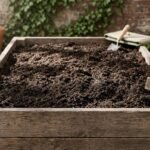
Your soil type shapes root health and flowering power. Well-drained soils prevent rot and keep blooms coming, which means steady nectar and pollen for your pollinators. Most bee-friendly perennials prefer slightly acidic to neutral pH, roughly 6.0–7.0, for peak performance.
And don’t go overboard with fertility! Moderate organic matter and balanced nutrients (nitrogen, phosphorus, potassium) fuel growth without creating leafy monsters that shade out the flowers bees actually need.
Climate compatibility seals the deal. Match plants to your rainfall, temperature swings, and growing season length for reliable bloom windows. Sandy soils drain fast and want more water; heavy clay holds moisture but demands drainage attention. Know your ground, and you’ll know your plants!
Pesticide-Free Maintenance
Once you’ve matched your plants to your soil and climate, you’ll want to keep them thriving without putting your pollinators at risk. That means skipping synthetic chemicals entirely and embracing natural pest management.
Here’s your game plan:
- Monitor daily, catch problems early before they explode into infestations requiring desperate measures
- Hand-pick pests, tedious, yes, but weirdly satisfying
- Recruit allies, ladybugs, lacewings, and parasitic wasps handle aphids while you sip coffee
- Block and barrier, row covers foil cabbage moths without harming anyone
Build soil health with compost and mulch, and you’ll grow plants strong enough to shrug off minor attacks.
And if you absolutely must intervene, spray at dawn or dusk when bees are tucked in bed.